top1.svg
h3-bg04
butto1.svg
cdsi_whitelogo

+39 06 89 92 81

phone-with-wire.svg
cdsi_large transparent

INFO AND CONTACTS

For more information: info@cadisinternational.org

Piazza della Maddalena, 53

00186 Rome
 

+39 06 89 9281

info@cadisinternational.org

Piazza della Maddalena, 53

00186 Rome
 

+39 06 89 9281

info@cadisinternational.org

The CADIS Foundation (Camillian Disaster Service) International is a legally registered, non-profit humanitarian and development organization of the Order of the Ministers of the Sick (Camillians). C.F. 97871950586 

The CADIS projects

A journey into Faith in Action: discovering the path to integral healing - Chapter Five

2026-04-09 08:44

author

News, kenya, cadis, wajir, cadis-kenya, resilienza, faith-in-action, fede-in-azione, libro-cadis,

A journey into Faith in Action: discovering the path to integral healing - Chapter Five

In-depth analysis of the chapters of the book Faith in Action - Chapter Five

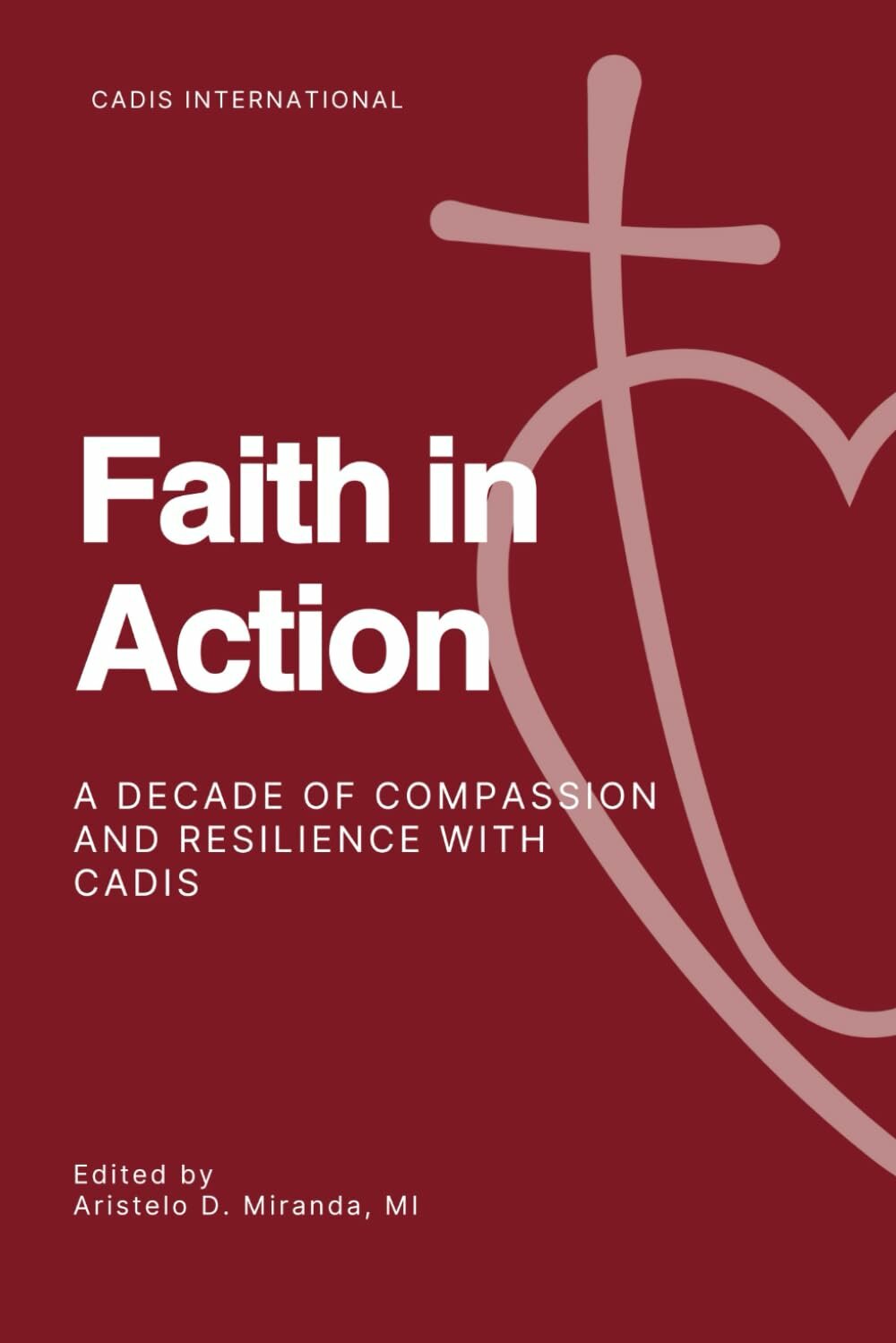
Over the next few weeks, we will analyse each chapter of the book Faith in Action: A Decade of Compassion and Resilience with CADIS.


This will be an opportunity to delve into each experience recounted directly by CADIS leaders who, over the course of a decade, have seen with their own eyes and touched with their own hands the fragility of the people they assist, in every corner of the earth.

The book is available in English, and soon in Italian, on Amazon in both paperback and ebook formats. CLICK HERE 

Chapter Five - Integral Human Care as a Catalyst for Resilience: Case Studies in Climate-Induced Disasters and Humanitarian Engagement in Kenya


The chapter, written by Fr. Francis Munene, tells how Kenya’s landscape is a study in contrasts, ranging from fertile highlands and vast savannahs to harsh, arid deserts. While this ecological diversity is one of the nation’s greatest assets, it also creates a high degree of vulnerability to climate-related shocks. With over 80% of its land classified as Arid and Semi-Arid Lands (ASALs), the country is structurally susceptible to extreme environmental stress, including recurring droughts, flash flooding, and devastating locust infestations.


This chapter highlights two critical interventions: the Wajir project (2011–2015), which addressed a catastrophic famine in the northern desert, and the Baringo 2021 Project, which dealt with the displacement caused by rising lake levels. By addressing the shortage of healthcare and education alongside immediate survival needs, CADIS seeks to empower underserved populations, transforming them from victims of circumstance into resilient communities capable of navigating a volatile future.


The narrative of disaster in Kenya is deeply intertwined with its socio-political and economic fabric. Of the country’s population of over 50 million, a significant majority resides in rural areas, relying almost exclusively on subsistence farming and pastoralism. This dependence on the land means that when the climate fails, the economy and food security of millions collapse. Vulnerability is further intensified by rapid, unplanned urbanization and a lack of resilient infrastructure. Furthermore, as natural resources like water and grazing land become scarce due to environmental degradation, historical ethnic tensions often flare into open conflict, creating a complex cycle of human-induced and natural crises.


It is the same author who, during the presentation webinar, says: “During the Great Drought, northern Kenya was pushed to the brink. It was a humanitarian catastrophe that left 3.7 million people severely food-insecure. In response, CADIS Kenya didn't just deliver aid; we launched a multi-front intervention. We established nutritional programs and mobile clinics to reach the most remote areas, while simultaneously working on long-term water access and sustainable food production to break the cycle of famine.”

chap5-baringo.jpegchap5-baringo2.jpegchap5-baringo3.jpeg

In the face of these challenges, the Camillian Disaster Service (CADIS) Kenya has implemented a model of "integral human care." Grounded in Catholic social teaching and Camillian spirituality, this approach treats disaster response as a journey toward total recovery rather than just temporary relief. 


The strategy of CADIS Kenya is built on a simple but profound foundation: being present with the people. We believe in learning together and working alongside communities rather than imposing solutions from the outside.


As Fr. Francis concluded: “Our response is intentionally holistic. We recognize that people need more than just physical resources, so we integrate psychosocial support and spiritual accompaniment into our work. Ultimately, our goal is community empowerment—equipping people with the tools and confidence to take full ownership of their own recovery and future resilience.”


To learn more about this CADIS project, order a copy of the book HERE.
All proceeds from sales will support CADIS projects around the world. Thank you!

chap5-wajir.jpegchap5-wajir2.jpegchap5-wajir3.jpegchap5-wajir4.jpeg

facebook
instagram
twitter
youtube
linkedin

www.cadisinternational.org @ All Right Reserved 2024 - Website created by Wishraiser

www.cadisinternational.org @ All Right Reserved 2024 - Website created by Wishraiser

LEAVE YOUR EMAIL

Subscribe to the Newsletter and stay updated on the activities of CADIS International