On September 30, 2025, a strong earthquake struck Northern Cebu, leaving many families traumatized, displaced, and struggling to recover. While emergency relief reached some areas quickly, numerous interior farming communities, island sitios, and coastal barangays experienced delayed or limited assistance due to difficult terrain and access constraints. Beyond physical damage to homes and livelihoods, residents continued to suffer from fear of aftershocks, sleep disturbances, anxiety, and ongoing uncertainty about their safety and future.
In response, the Visayas Primary Healthcare Services, Inc. (VPHCS), in partnership with the Camillian Disaster Service International (CADIS) and with support from funding partners, implemented a series of integrated relief and psychosocial support missions from October to December 2025. These missions were designed to address not only immediate material needs but also the longer-term psychological and emotional impacts of the disaster, recognizing recovery as a gradual process rather than a single intervention.
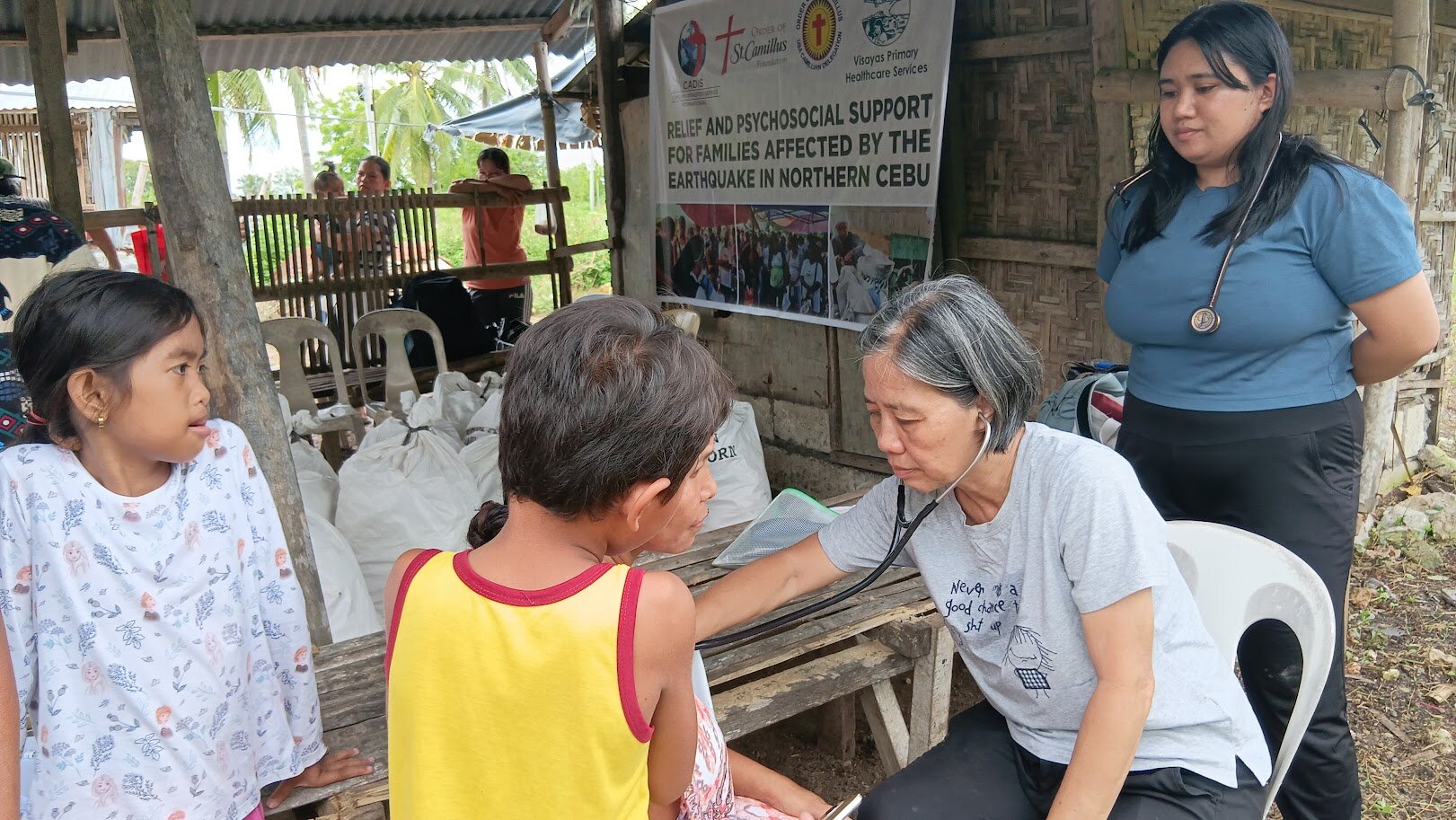
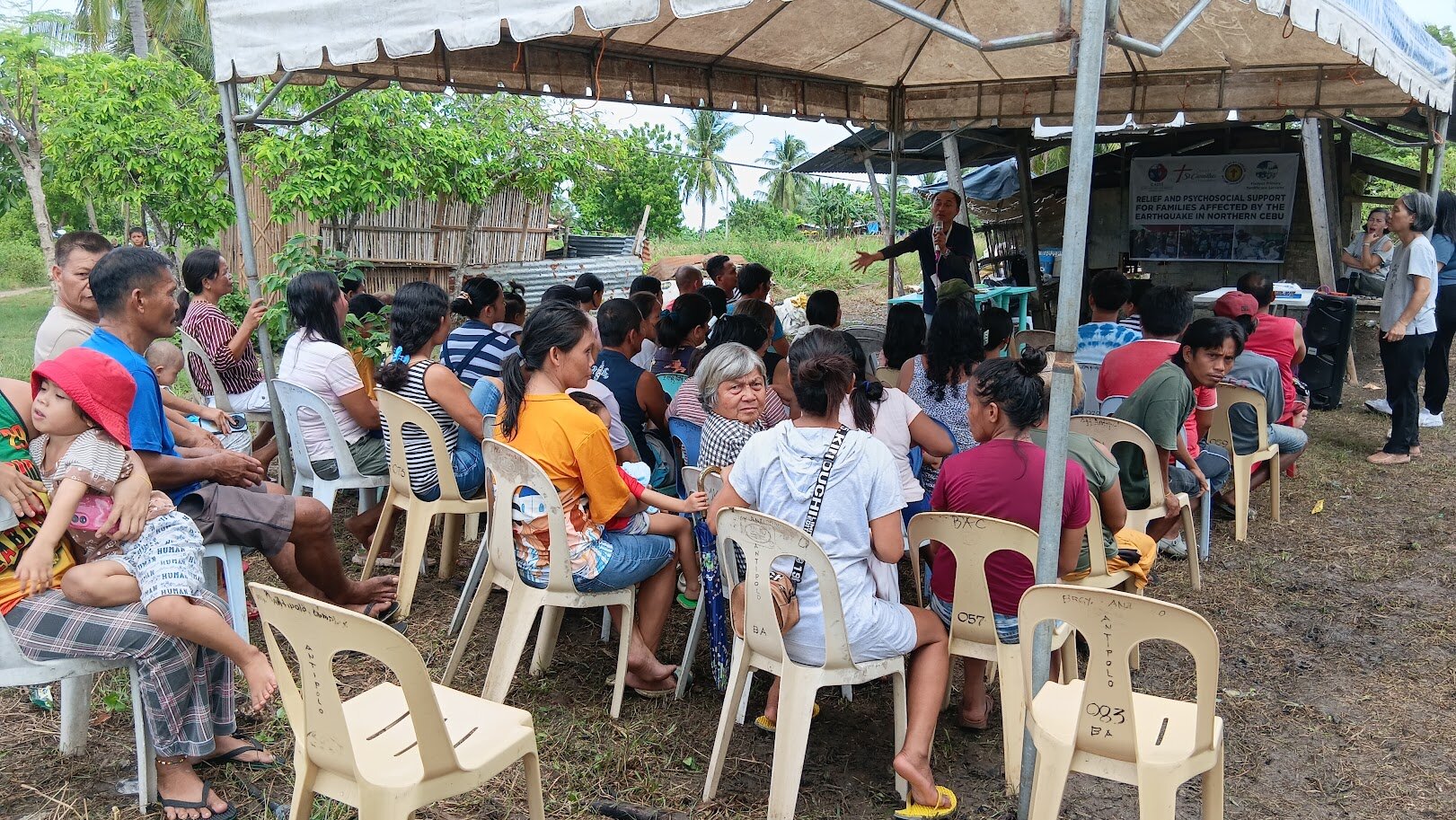
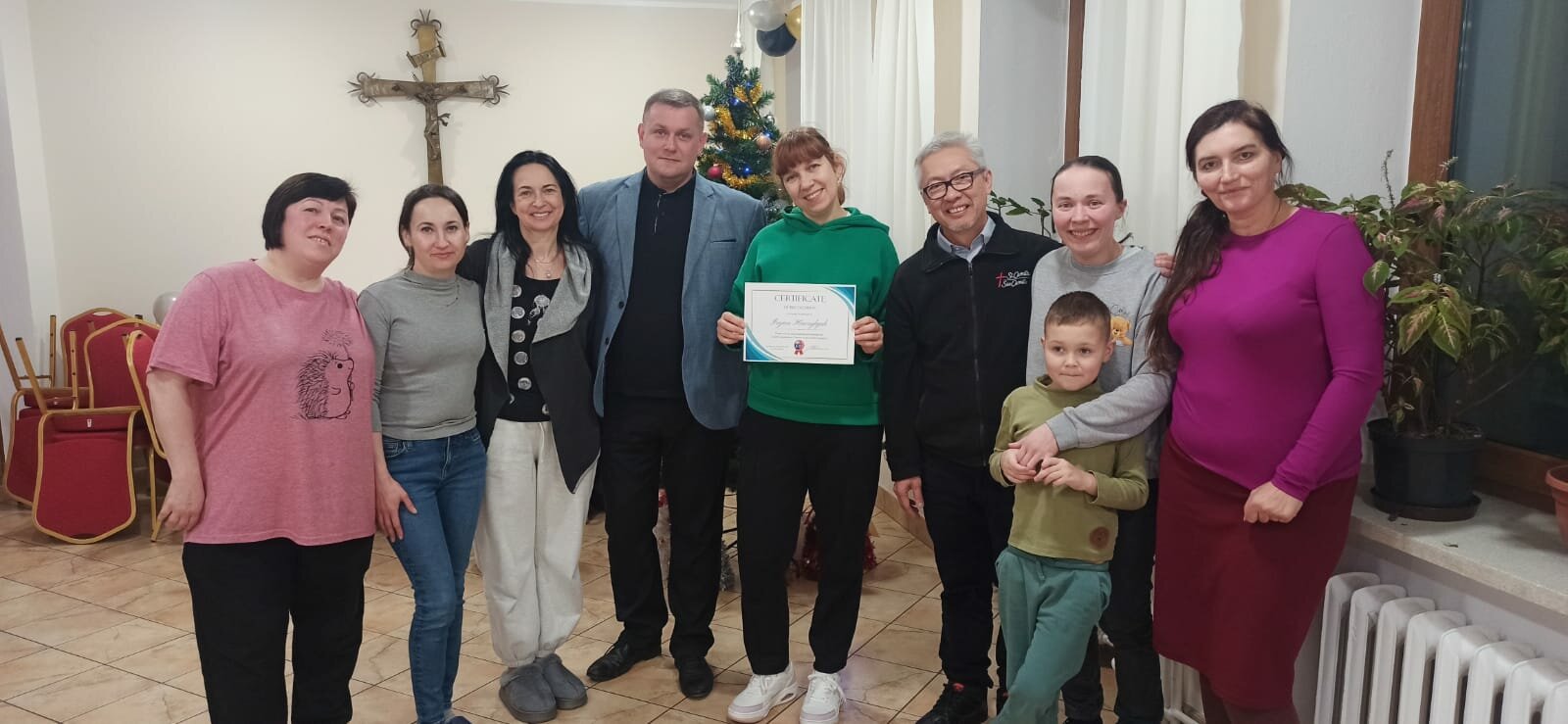
The first major mission took place on October 25, 2025, in Sitio Comon (Barangay Daanlungsod) and Sitio Katubhan (Barangay Antipolo) in the Municipality of Medellin. These interior farming communities had received minimal assistance after the earthquake due to their remoteness. Working closely with local people’s organizations—the Comon Farmers Association and the Katubhan Rural Workers Association—VPHCS and CADIS conducted relief distribution, psychosocial support sessions for adults and children, and medical checkups. Preparatory coordination ensured that 250 families were identified as beneficiaries and informed about the planned activities.
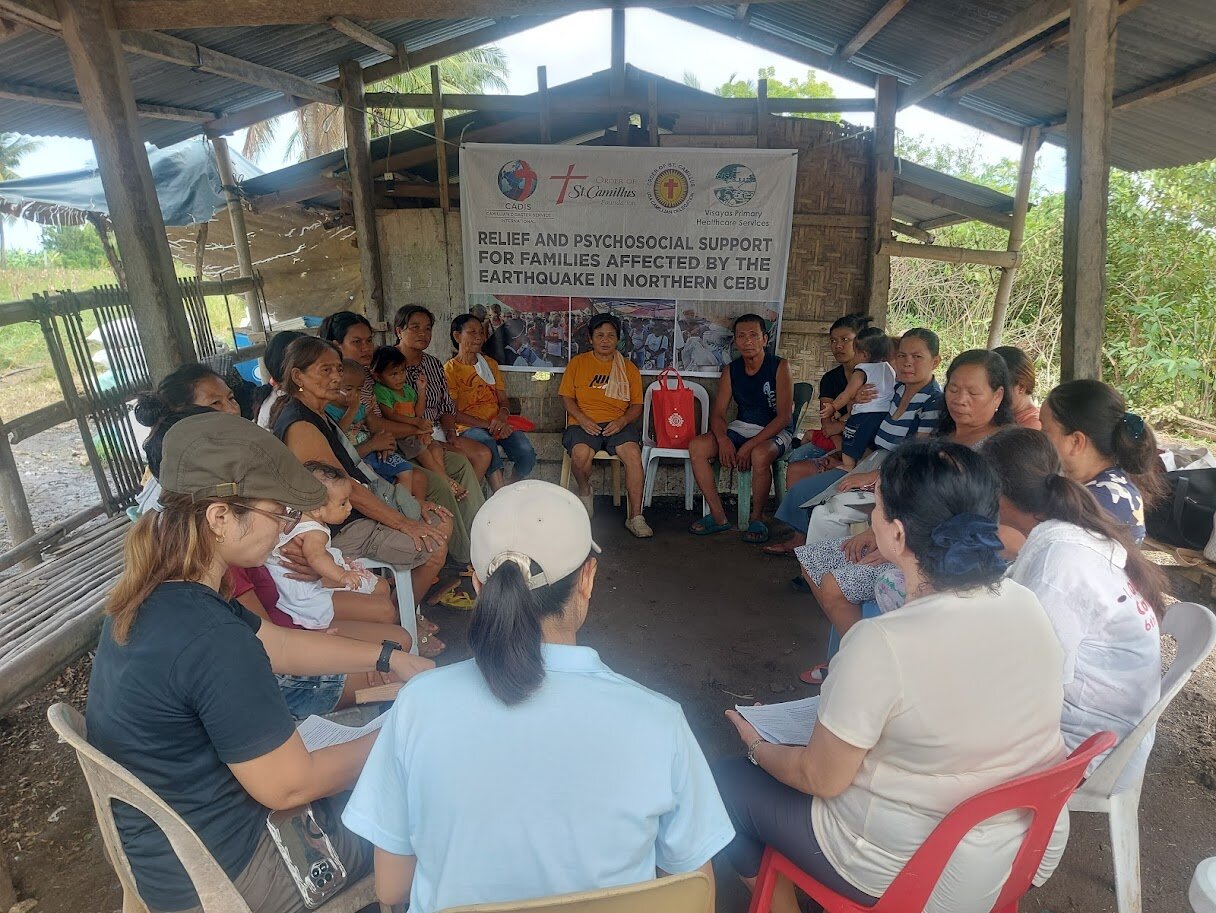
Relief goods consisting of food items, hygiene kits, and essential medicines were procured through a competitive process and packed with the help of more than 20 volunteers. On the day of the mission, two volunteer teams traveled to Medellin and conducted parallel activities in each sitio. Adult psychosocial sessions allowed participants to share their earthquake experiences, revealing intense fear during the shaking, disrupted sleep, anxiety about aftershocks, and temporary loss of livelihood—particularly among fisherfolk whose catch declined after the earthquake. At the same time, stories of mutual help and community solidarity highlighted the resilience of the affected communities.
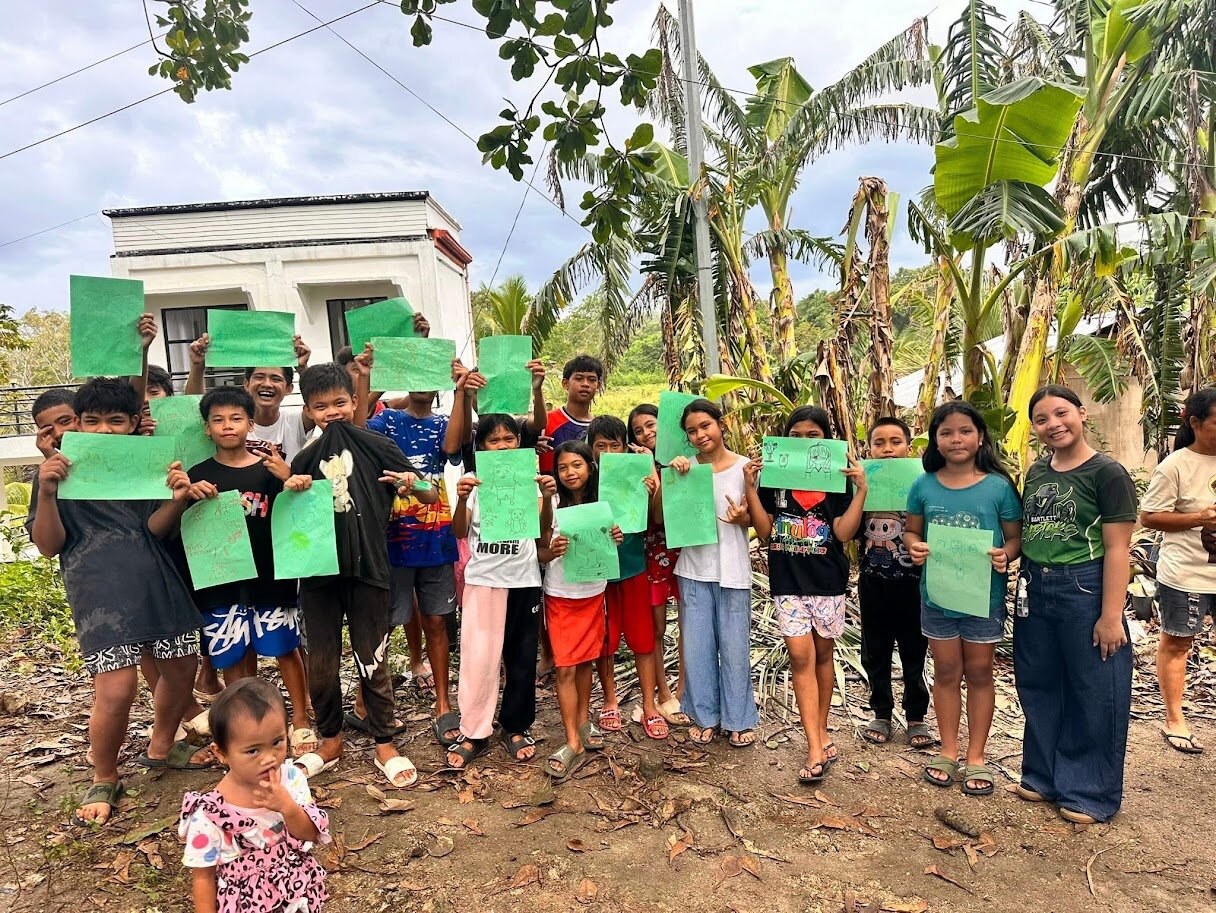
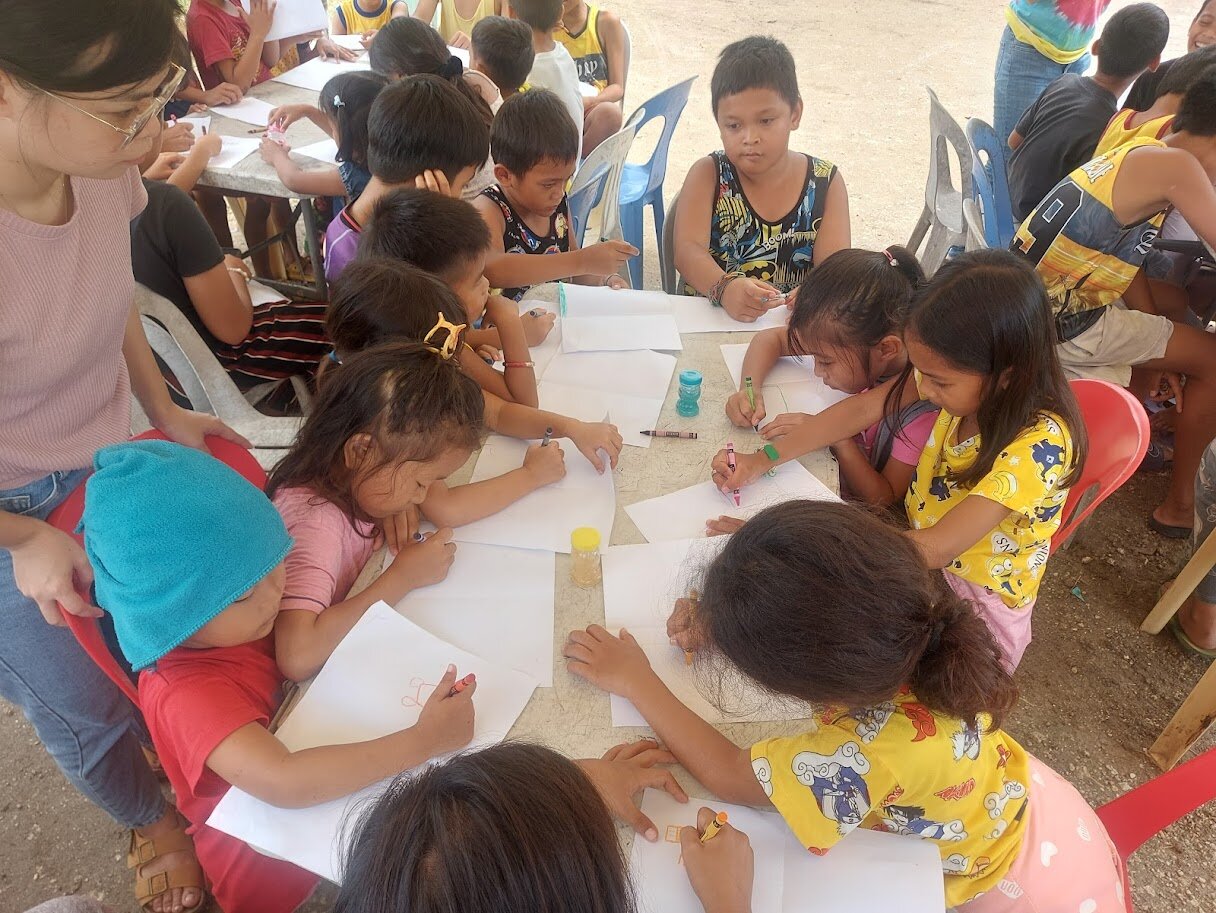
Facilitators introduced practical skills from the Community Resiliency Model (CRM), including tracking bodily sensations, resourcing, grounding, and simple “now” strategies to manage stress and restore a sense of balance. Sessions concluded with reflections on self-care and a shared moment of prayer and solidarity. Children participated in art-based activities that encouraged emotional expression and future-oriented thinking, with many sharing dreams of becoming teachers and other professionals.
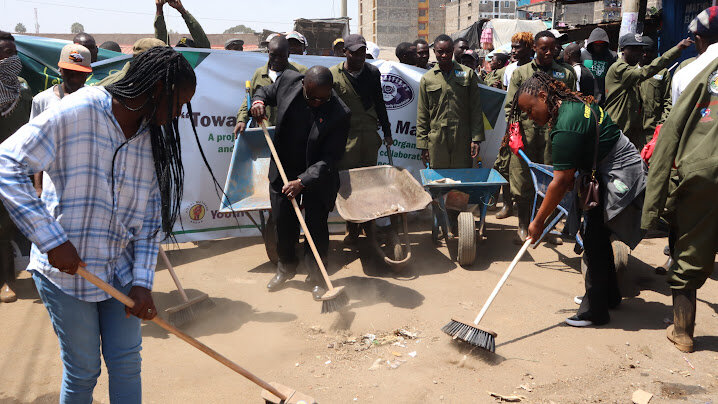
Following a community-prepared and shared lunch, relief goods were distributed to 133 families in Sitio Katubhan and 117 families in Sitio Comon. Simultaneously, medical checkups were conducted to address common health concerns, including coughs and colds, hypertension, muscle pain, osteoarthritis, and hyperacidity.
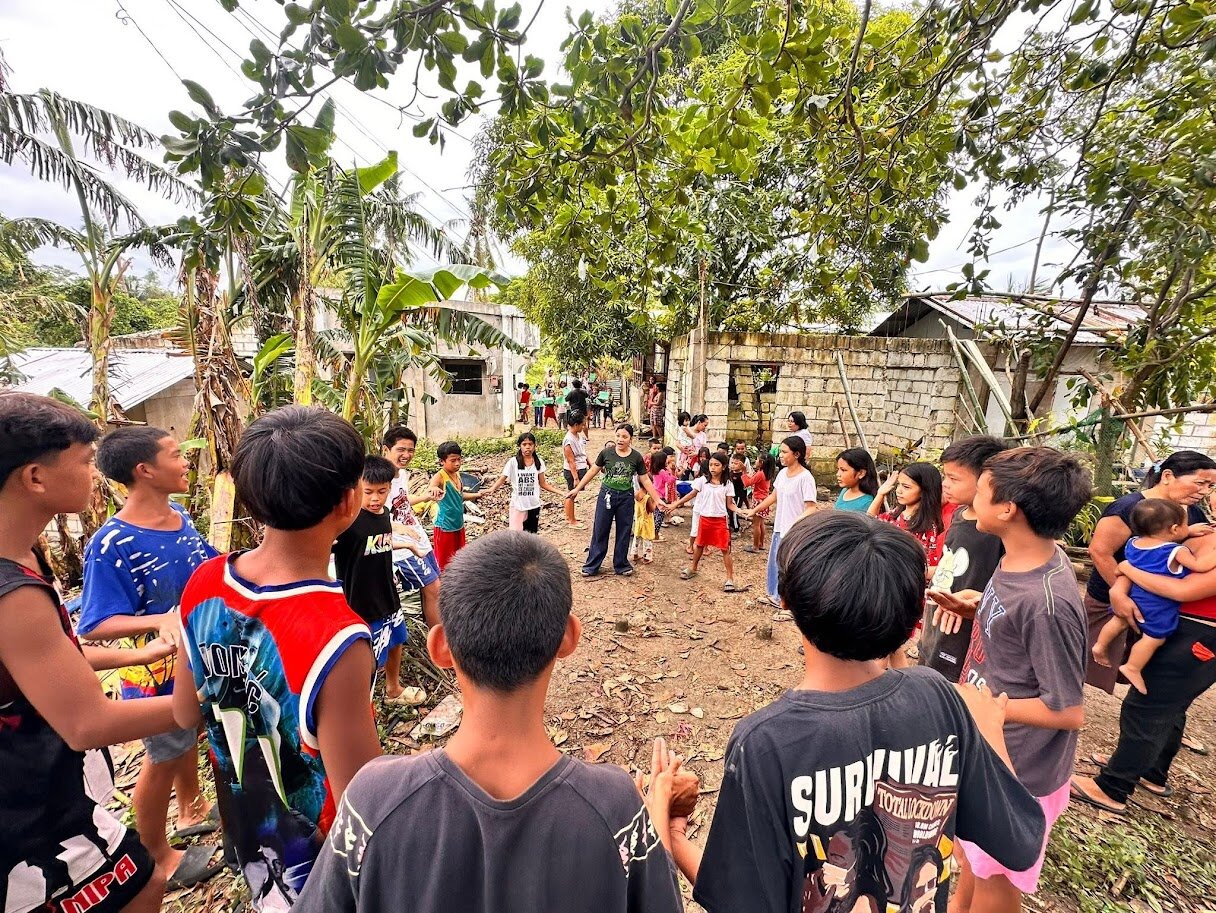
Building on this initial intervention, VPHCS and CADIS carried out a second wave of psychosocial support missions in December 2025 in more isolated island and coastal communities, including Gibitngil Island, Barangay Kawit in Medellin, and Barangay Malingin in Daanbantayan. Although these areas had already received relief goods from other organizations, residents continued to report lingering fear, anxiety, and sleep difficulties. Psychosocial sessions revealed that while daily routines had largely resumed, many families still slept outdoors and remained emotionally affected by the disaster. The same trauma-informed approaches were used, emphasizing that delayed psychological reactions are normal and that healing takes time.
Children’s sessions in these communities combined drawing, games, and guided sharing, revealing themes of safety, family connection, and hope for the future. In coastal and disaster-prone areas, residents also described compounded stress from past typhoons and earthquakes, underscoring the need for sustained psychosocial care beyond immediate relief efforts.
Overall, the relief and psychosocial missions successfully reached underserved communities in the immediate aftermath of the earthquake. By combining material assistance, medical services, and structured psychosocial support, the interventions addressed both visible and invisible needs.
Strong partnerships with local organizations, active community participation, and the dedication of volunteers contributed to the effectiveness of the response. Guided by the Camillian mission of compassionate and holistic care, the activities affirmed the importance of accompanying communities through the long process of recovery—healing not only bodies, but also minds and spirits.