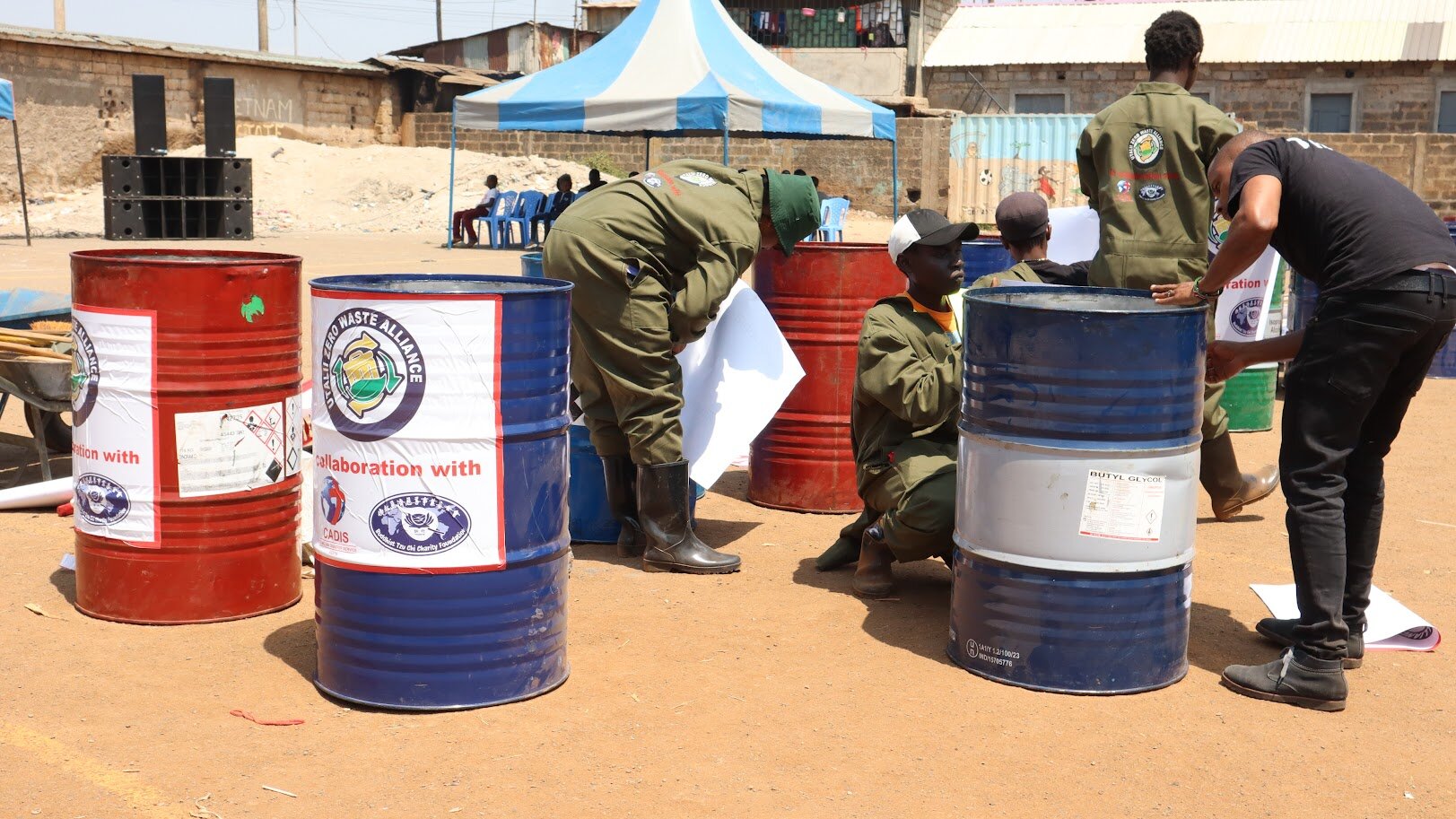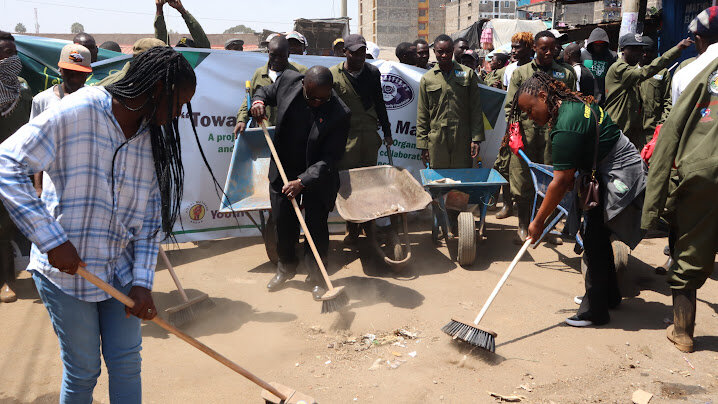
Mathare slum faces persistent challenges of waste mismanagement, environmental degradation, unemployment, and poverty, with existing government and non-government interventions falling short of meeting the community’s needs. In response, a youth-led transformation has emerged in which young people, including those formerly involved in crime and substance abuse, have organized into registered community groups to address environmental health challenges. Supported by CADIS, the Nairobi County Government, and the Department of Environment , these groups formed the Utalii Zero Waste Alliance, a collaborative initiative focused on waste collection, sorting, recycling and safe disposal. This project is funded by the Buddhist Tzu Chi Charity Foundation.
The initiative sought to improve environmental conditions in Mathare while creating livelihoods and restoring dignity among young people. Through training, mentorship, and hands-on work, participating youths earned skills in waste management, sanitation, environmental conservation, recycling, and composting, at the same time promoting community ownership, cleanliness, and sustainability.
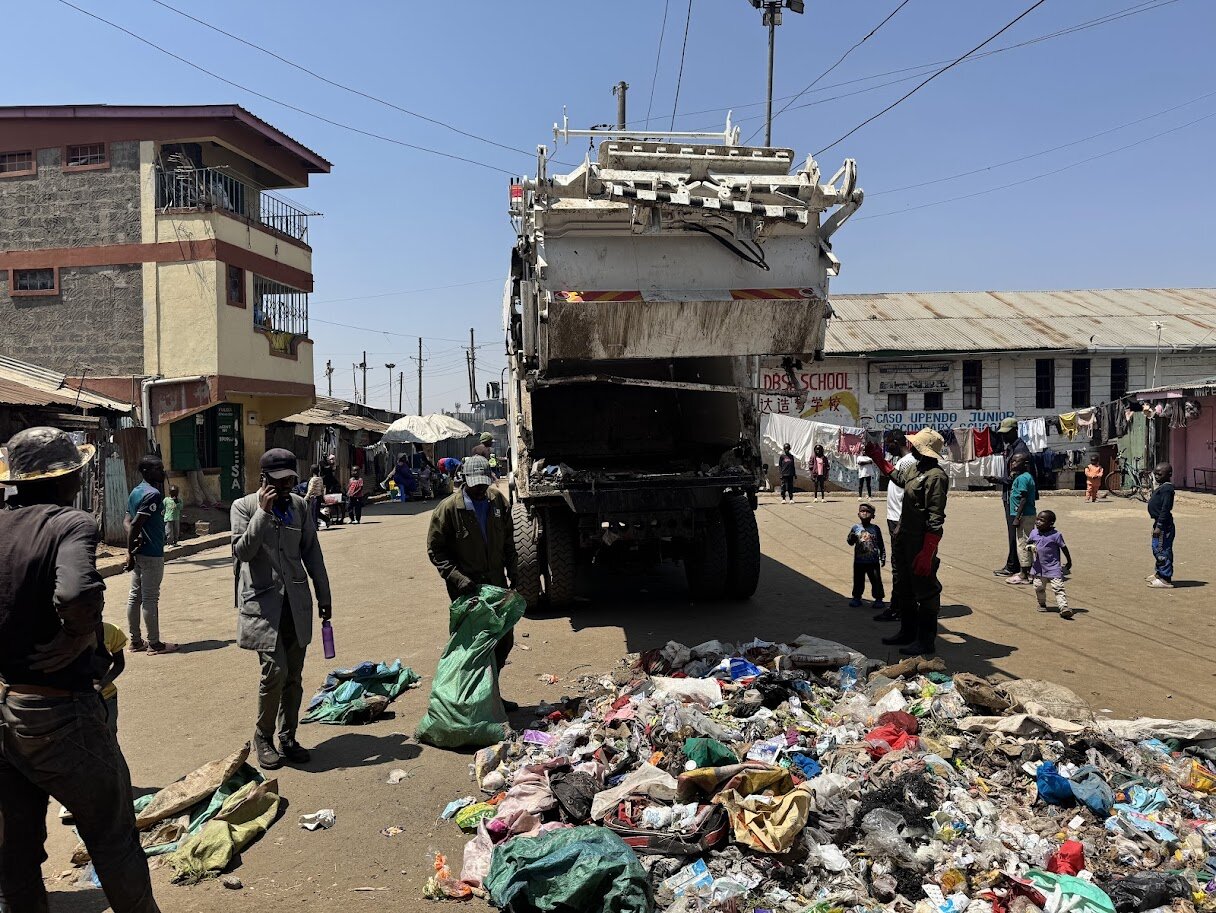
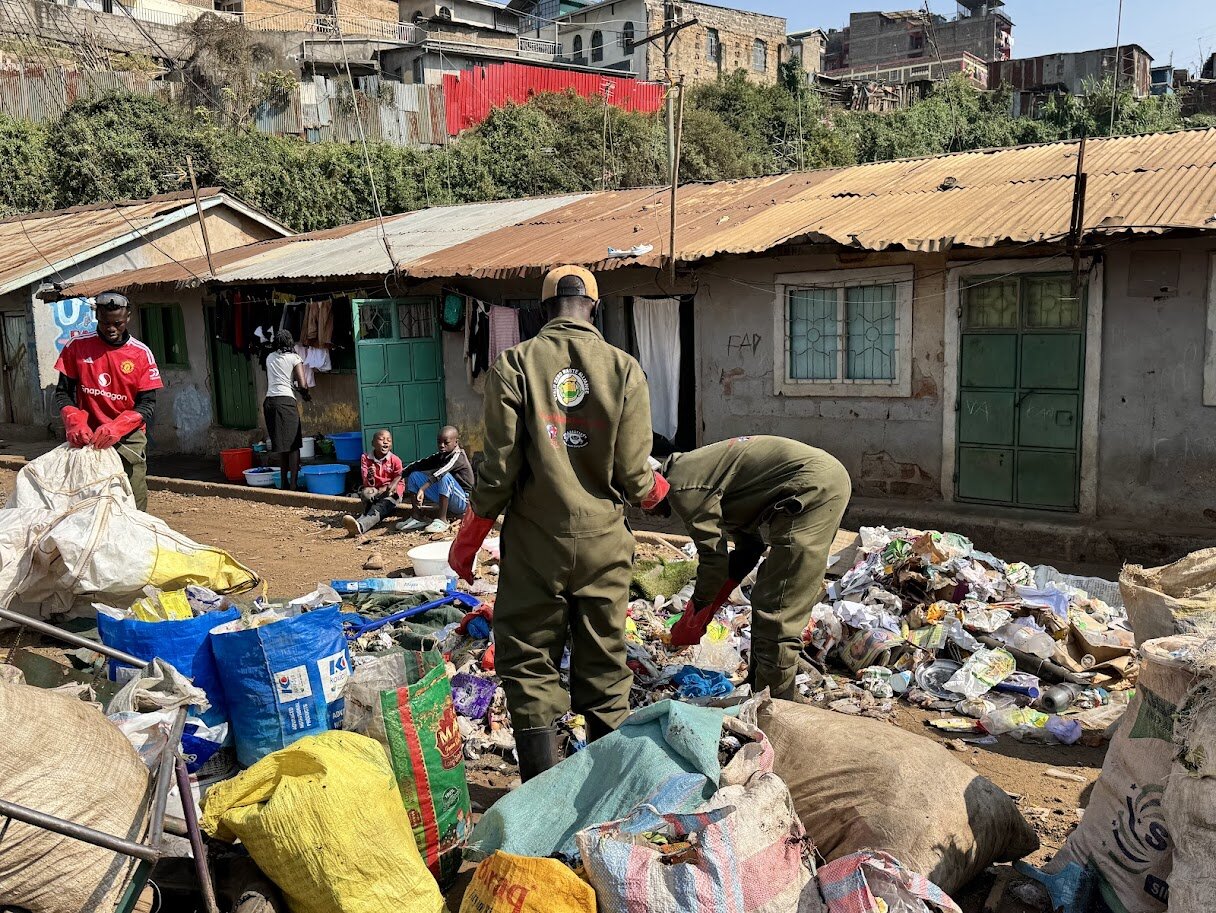
To enhance effectiveness and comply with county regulations, the project shifted to a “sorting at the source” approach, eliminating centralized waste holding sites. The youth conduct weekly waste collection from households, streets, drainage systems, and rivers; sort waste within their clusters and transport it to the Dandora dumping site. Transporting of wastes is done weekly. Reusable waste bags replaced single-use plastics, and fabricated handcarts were provided to facilitate sustainability of program and youth empowerment.
By November 2025, weekly garbage collection was firmly established, with about 20 tonnes of waste transported each week. Participation exceeded targets, with 14 youth groups and 140 youths engaged. Household participation increased to over 1,500, reflecting increase of community trust. However, challenges remain, including poor waste sorting at the household level, limited storage space for recyclables, continued illegal dumping, and rising waste volumes that strain logistics.
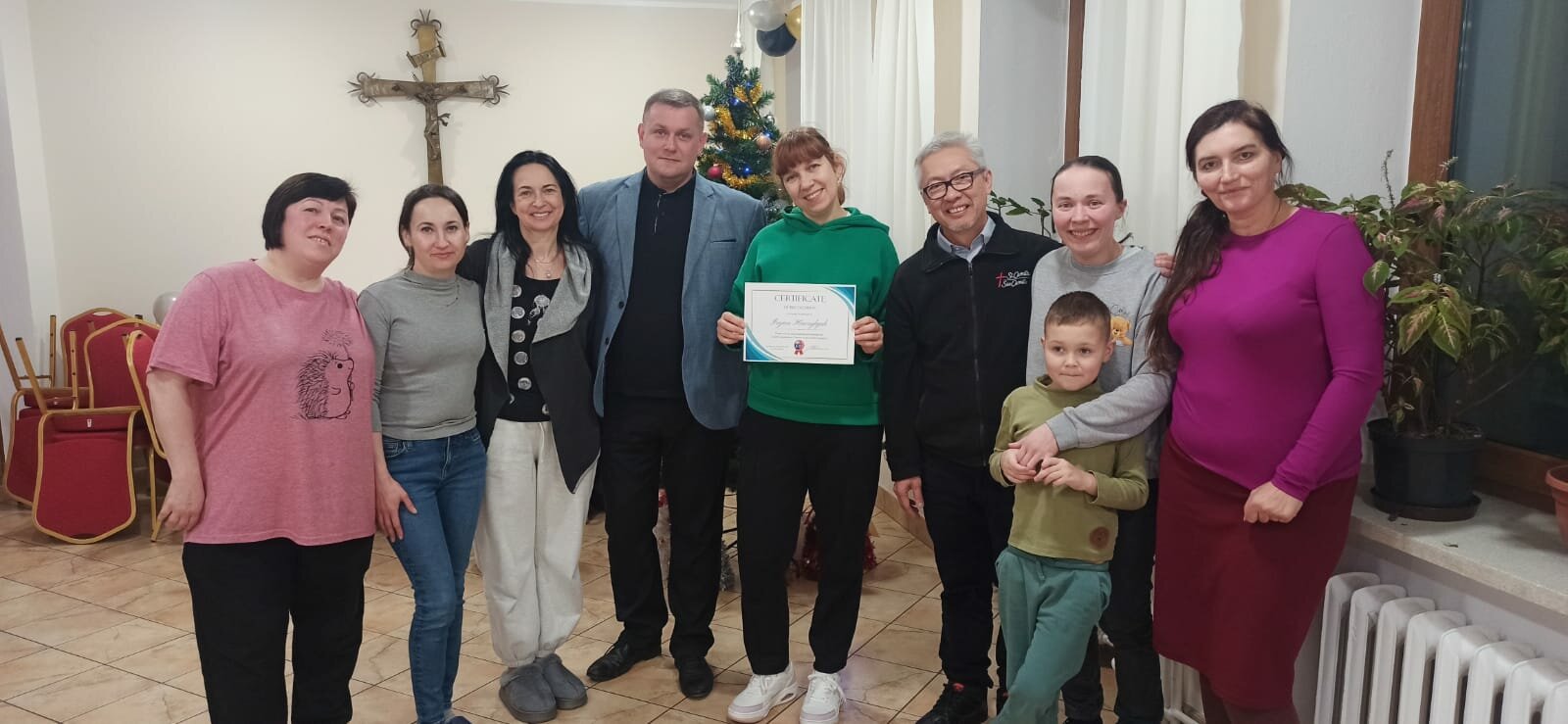
Capacity building remained central to the project. All one hundred youth participants received training in financial literacy, savings, and alternative livelihoods, leading to the opening of a savings account and regular membership dues. Interest in activities such as poultry and hog raising further demonstrates the project’s expanding economic impact.
Overall, the project has performed strongly, surpassing several targets in waste collection, youth participation, and community engagement. Its impact is evident in cleaner streets, improved public perception of youths as community caretakers, and growing local ownership of environmental responsibility, positioning the Utalii Zero Waste Alliance as a promising model for youth-led transformation in Mathare.