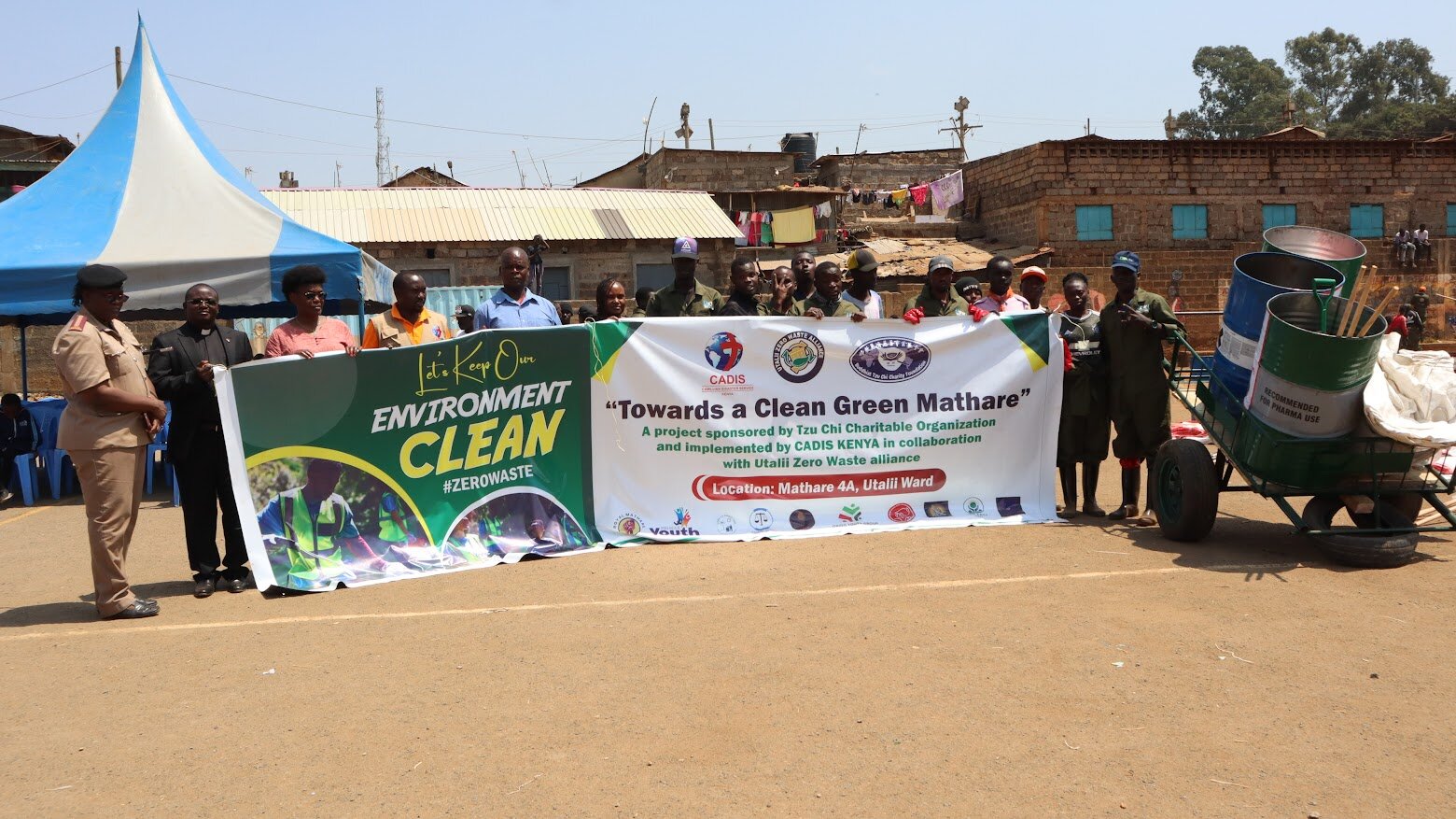
Mathare, one of Nairobi’s largest and most densely populated informal settlements, is often associated with poverty, overcrowding, and poor sanitation. For decades, residents here have lived with uncollected garbage piling up in alleys, drains clogged with waste, and rivers turned into dumping sites. The consequences are dire—outbreaks of disease, polluted environments, and a constant threat to human dignity.
Yet, amidst this adversity, an inspiring story of resilience and transformation is unfolding. A group of young people, many of whom once faced bleak futures marked by unemployment, drug abuse, and crime, have found a new mission: to reclaim Mathare from waste and restore pride to their community.
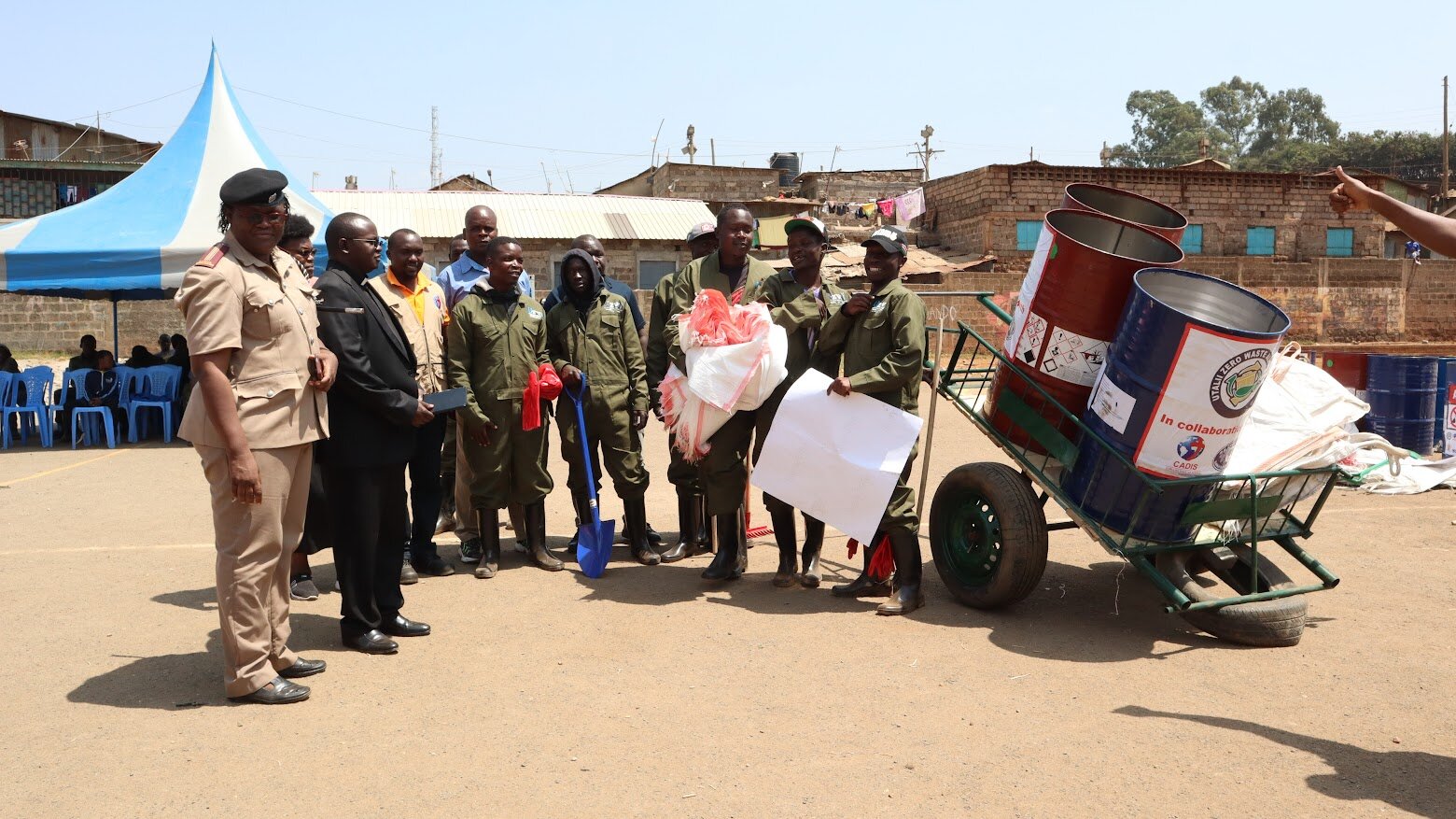
With support from CADIS Kenya, the Nairobi County Government’s Environment Department, and the partner Tzu Chi Charity Foundation, these young men and women have organized themselves into registered community-based organizations (CBOs). Together, they have formed the Utalii Zero Waste Alliance, a youth-led movement committed to turning Mathare’s waste challenge into an opportunity for change.
What makes this initiative unique is its dual mission: on one hand, it focuses on environmental restoration by reducing pollution, improving sanitation, and creating a cleaner, healthier living space; on the other, it emphasizes youth empowerment by providing training, income opportunities, and a renewed sense of purpose for those who were once marginalized.
As one youth leader explained during a recent workshop, “We are not just cleaning Mathare; we are cleaning our lives and building our future.”
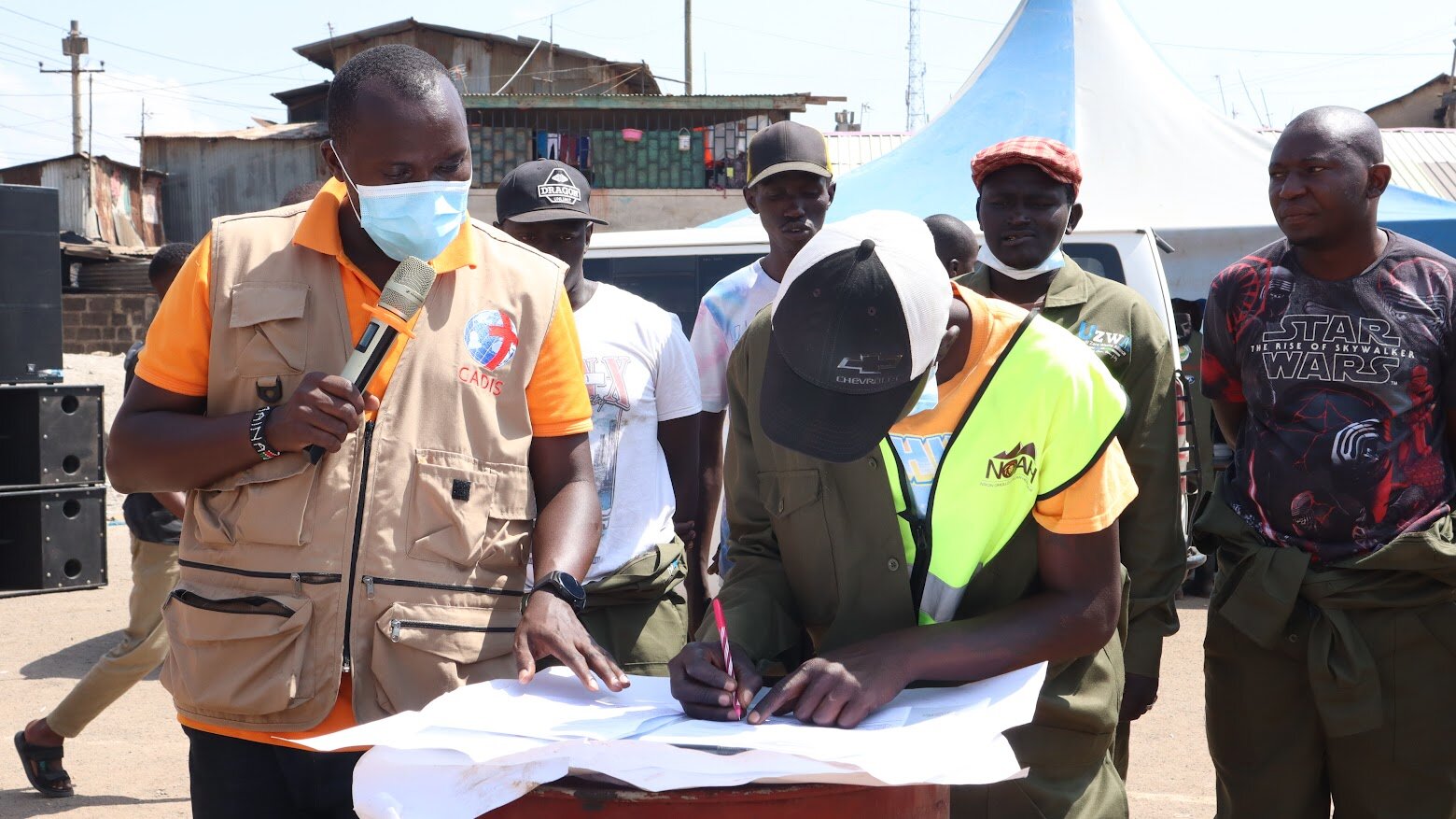
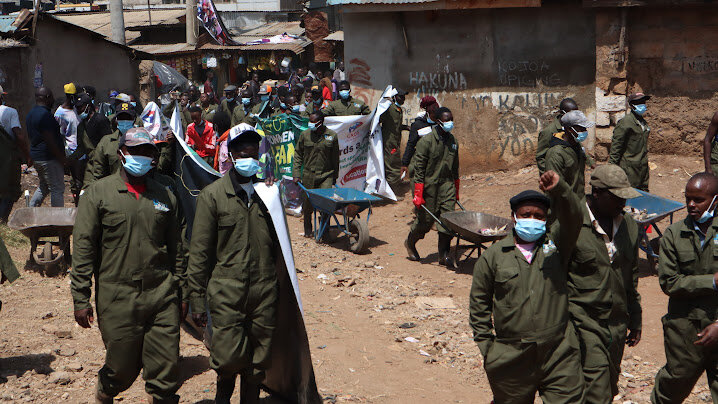
Building a System of Change
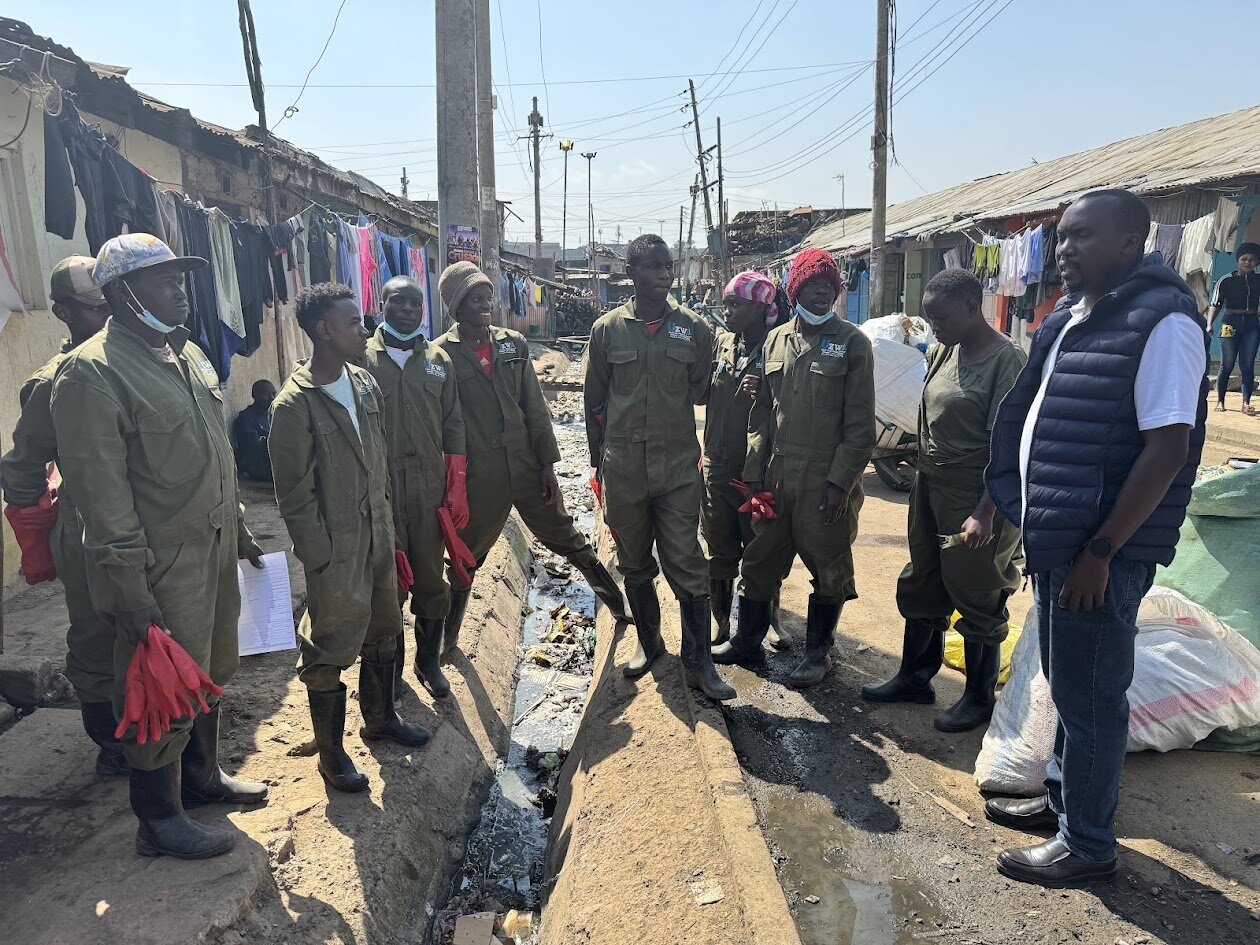
The program began by recruiting 100 youths from ten clusters in Mathare 4A. These young people received training in waste management, environmental conservation, composting for urban farming, and creative ways to transform waste into valuable products, such as recyclable materials and even glassware.
This system not only reduces pollution but also builds a culture of accountability and ownership within the community.
Training and Awareness: Planting Seeds of Sustainability
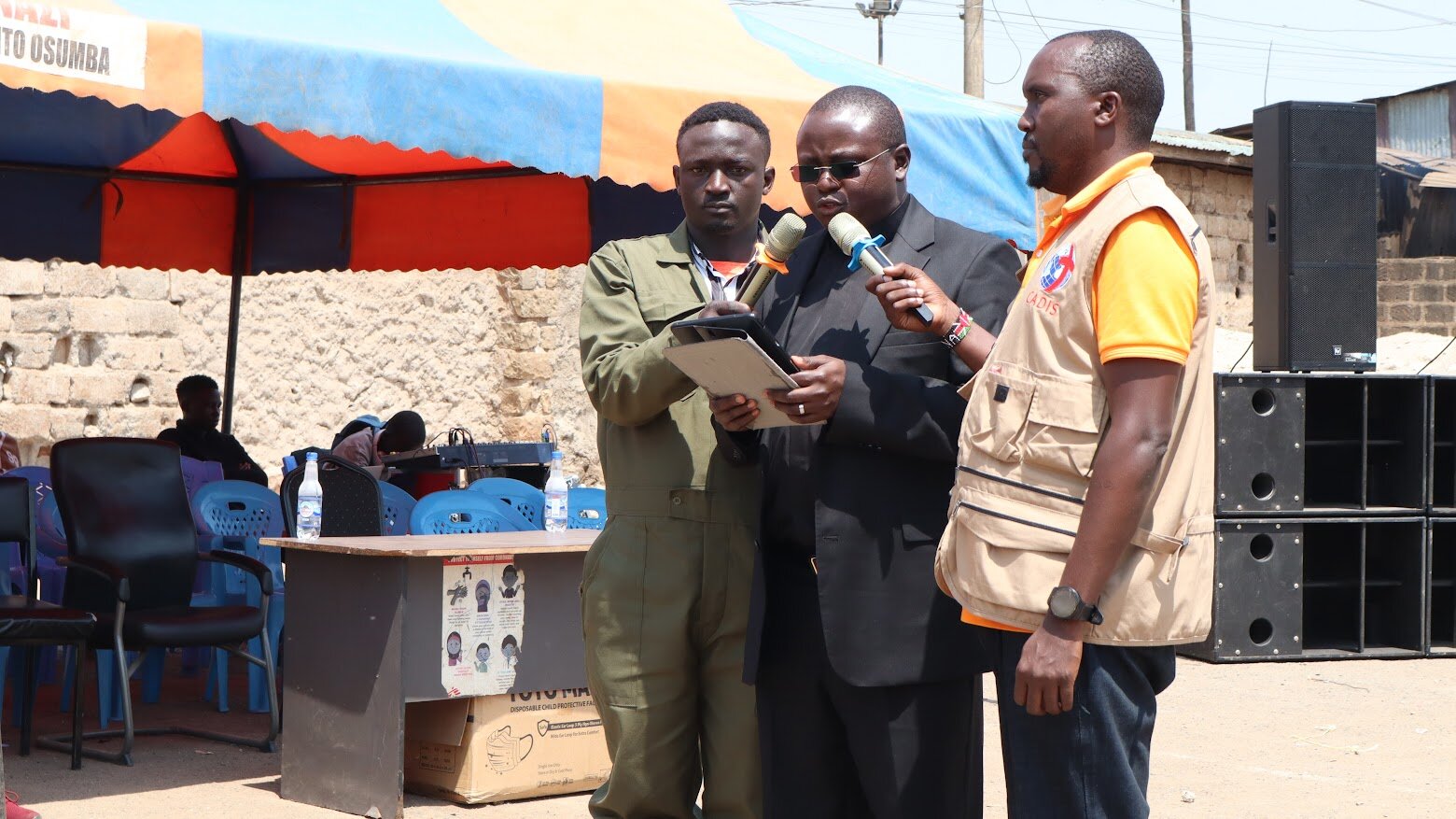
Beyond collection, the project also invests heavily in training and education. On August 19, 2025, a total of 120 youths participated in a workshop, with 100 officially registered for the program and an additional 20 who joined out of personal interest and commitment. The training emphasized practical skills such as proper waste sorting and safe handling, alongside broader concepts like the 5Rs of waste management—Refuse, Reduce, Reuse, Repurpose, and Recycle. Participants also learned about certification requirements, particularly the importance of NEMA accreditation, as well as the need for data collection and record-keeping to monitor waste volumes and recycling rates. Through this workshop, the youths not only gained technical knowledge but also a deeper understanding of how their work fits into a larger system of environmental sustainability.
Community outreach campaigns and clean-up drives are also reshaping attitudes. Families are learning why separating waste matters. Young people are discovering that environmental care can lead to new skills, jobs, and even the creation of small businesses.
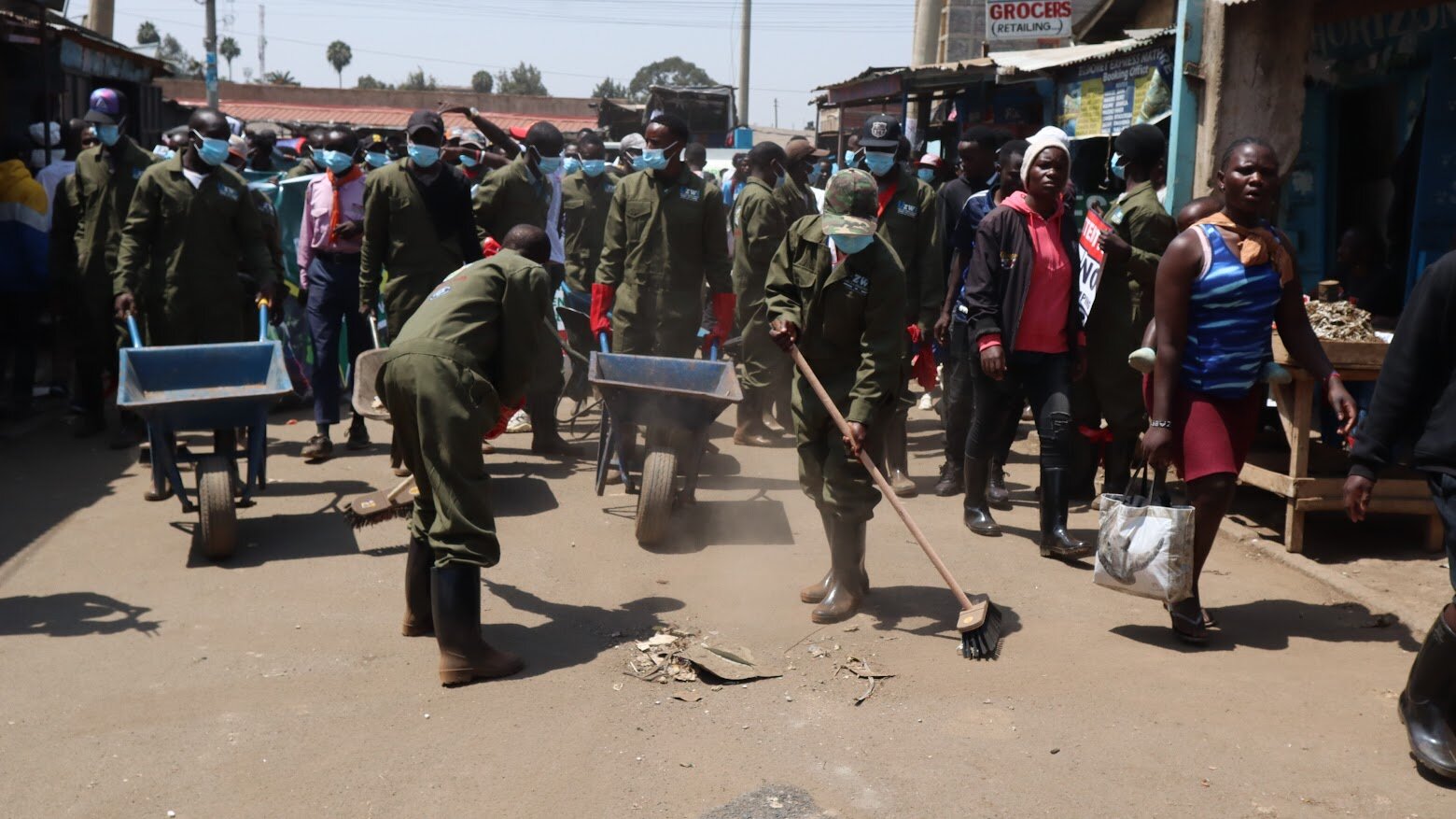
Progress and Challenges
The impact of the initiative is already visible as youth groups become more organized and attract growing interest from other residents eager to join their efforts. Cleaner streets and unclogged drains are beginning to replace Mathare’s long-standing image as a neglected slum, offering a glimpse of what a healthier, more sustainable community could look like.
Yet, like any ambitious project, challenges remain. Some residents continue to dump waste in rivers, resisting change, while others assume the initiative is fully donor-funded and therefore hesitate to pay the small collection fees. The high demand from unregistered youths who lack safety kits has also created frustration, and at times, criticism and resistance from within the community have discouraged the young volunteers. Despite these hurdles, the progress made so far underscores the transformative potential of the project, and the determination among the youths remains strong. Many see the project not as charity, but as a long-term path to dignity and sustainability.
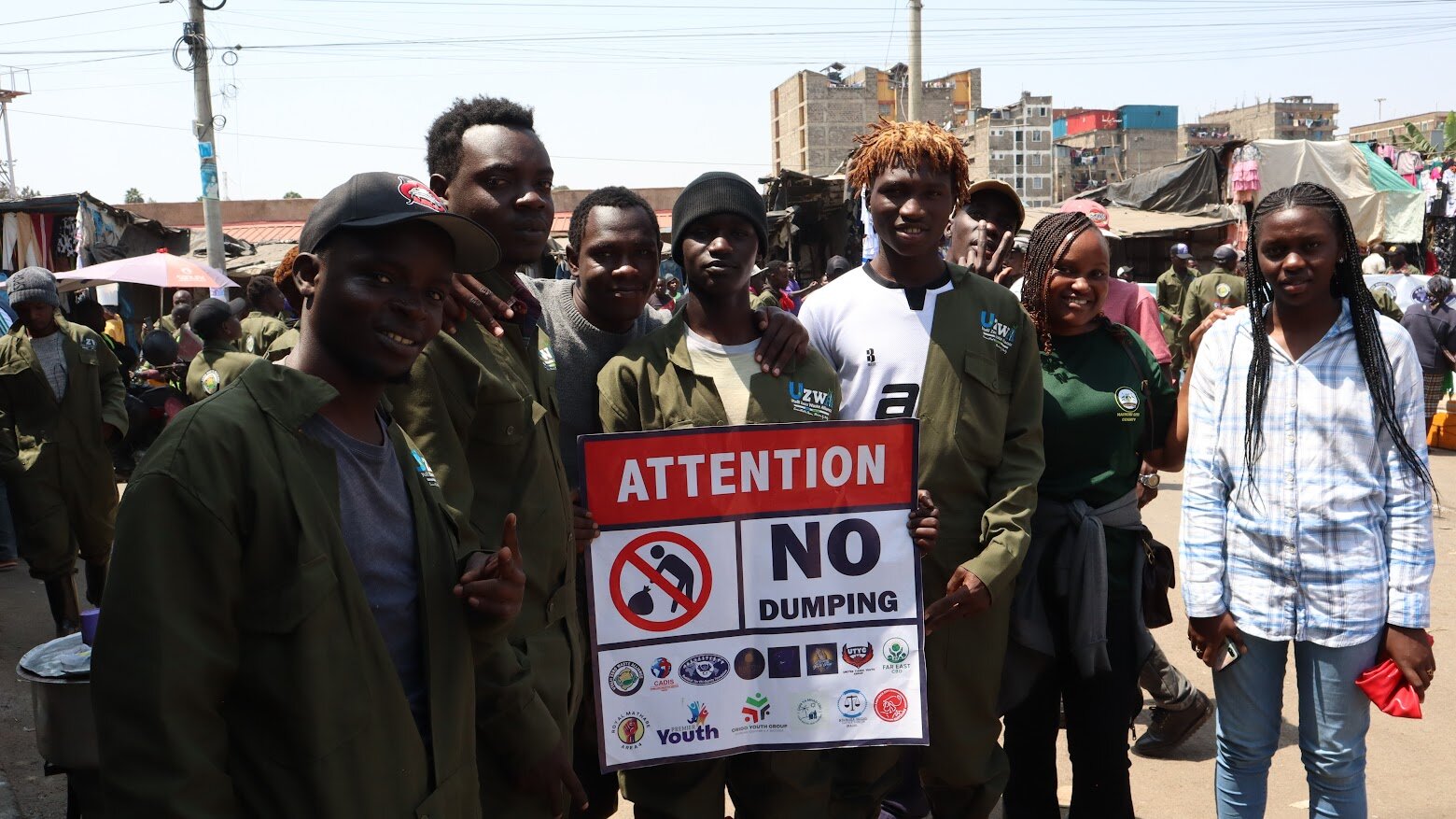
Looking Ahead: From Garbage to Green
The initiative has sparked discussions about future innovations, including the establishment of Material Recovery Facilities (MRFs), the development of biogas solutions, and the promotion of urban farming using composted organic waste. These ideas show that waste is not just a problem to be solved—it is also a resource that can power new opportunities.
The Mathare youth waste project is more than a clean-up program; it’s a movement of resilience and reimagination. By reclaiming their environment, these young people are reshaping the story of Mathare—from one of neglect to one of grassroots leadership and innovation.
As they continue to train, organize, and inspire their neighbors, they are proving that even in the most challenging conditions, hope can grow. And sometimes, it starts with something as simple as picking up a bag of garbage.