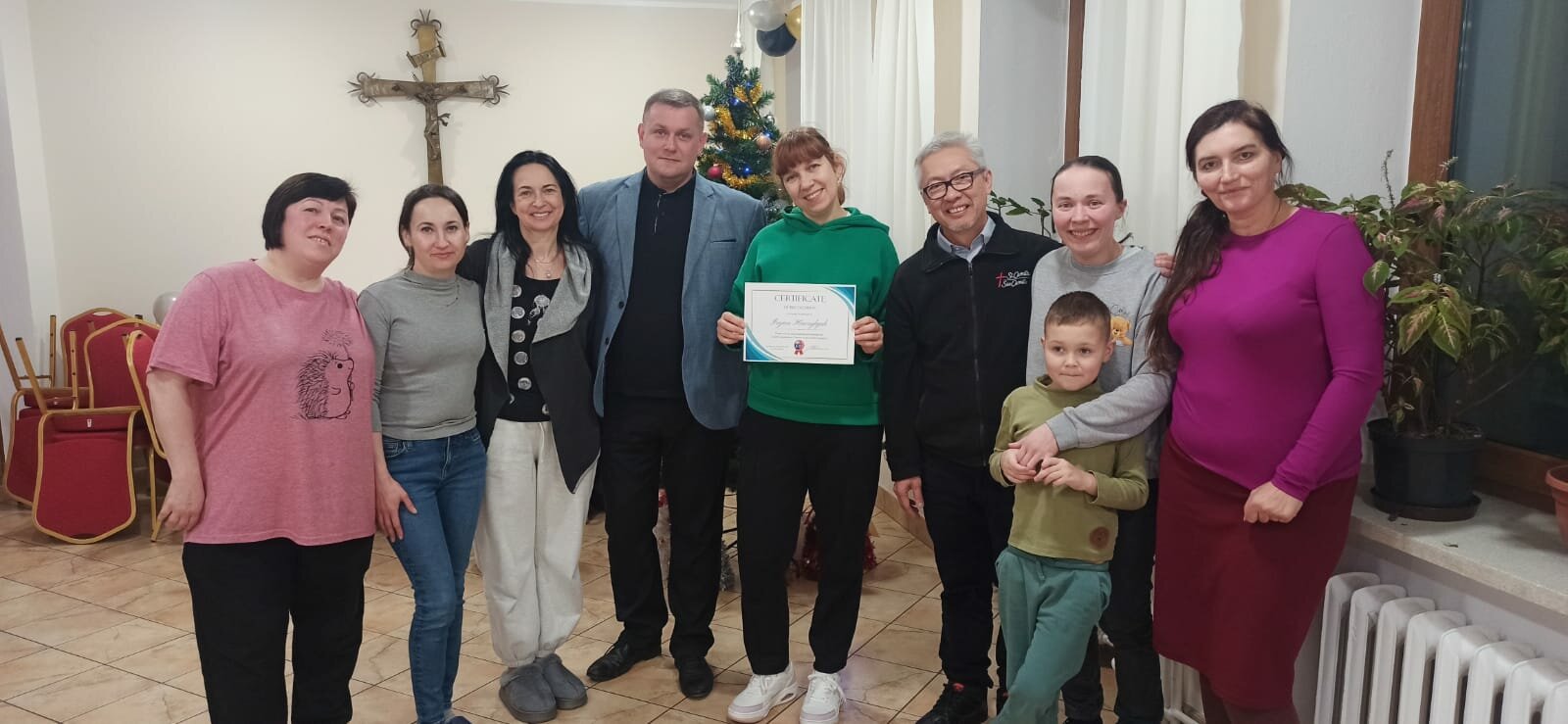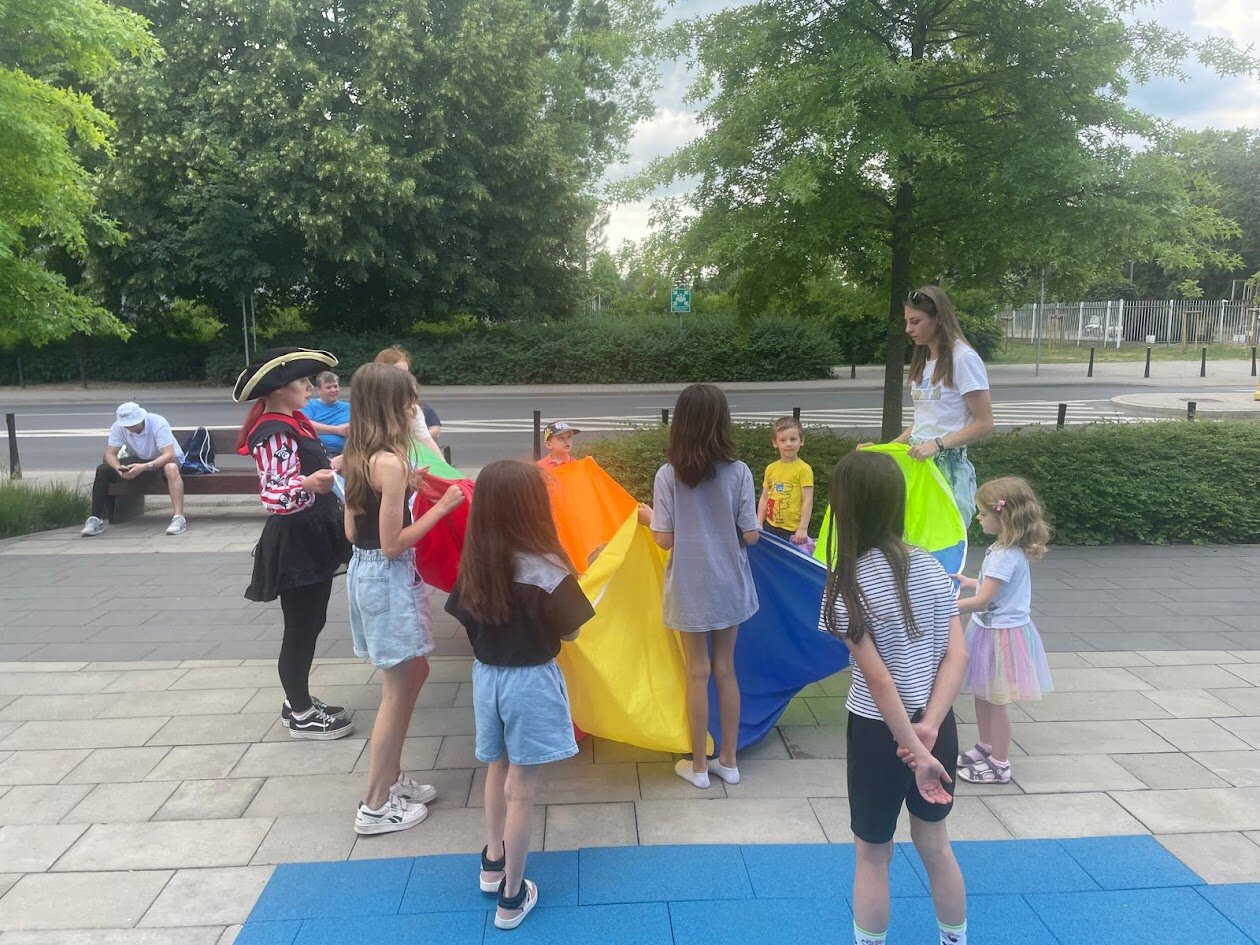
From July 21 to 23, 2025, Fr. Aris Miranda, Director of CADIS International, conducted a monitoring visit to Poland to assess the progress of the Phase 4 of the CADIS Resilience Project for Refugees. Since its launch in 2023, the initiative has supported more than one hundred refugees through programs in Ursus and Łomianki, carried out in collaboration with the Polish Camillians and the Buddhist Tzu Chi Charity Foundation.
The project, now entering its third year, has seen encouraging developments. The refugee beneficiaries are showing increasing confidence and determination as they continue to recover from the material, social, and spiritual losses caused by the ongoing war. The project has made tangible progress in promoting two key areas of resilience: social and economic.
Key Results in Building Resilience
Several factors have contributed to this growing resilience:
a) Employment:
Access to work has been the main driver of resilience. Many refugees now earn a net income of about 3,500 PLN (about €800). Improved Polish language skills have made employment more accessible, and some beneficiaries have even been able to rent their own apartment.
b) Housing:
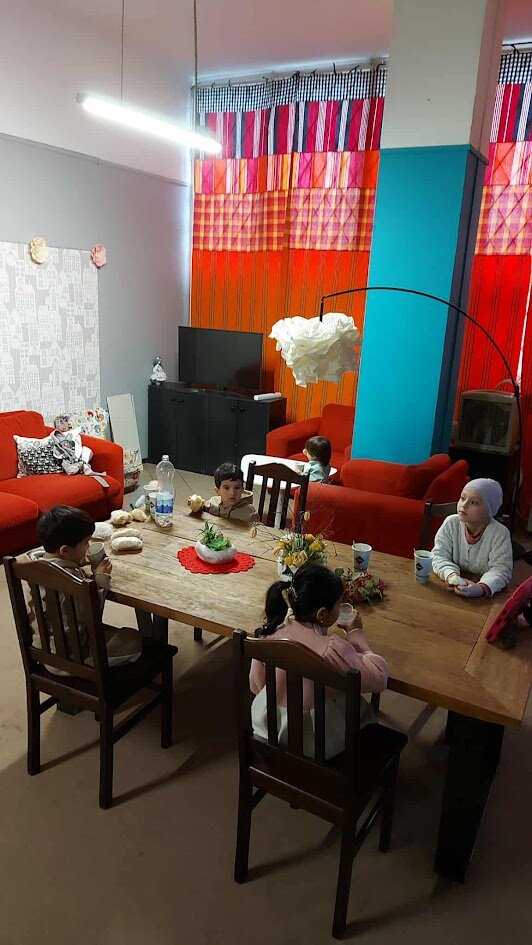
Safe and stable housing has allowed young mothers to work and provide their children with a safe and welcoming environment. These accommodations offer spaces for play, gardening, cleaning, and group activities, fostering independence and interaction with the community.
c) Public Health and Social Services:
Although most beneficiaries still only have a temporary protection permit and do not have refugee or asylum seeker status, improved access to health and social services has increased their sense of personal security and well-being.
d) Community Support:
Although less visible, community support has played a crucial role. Living and working together, sharing activities, and building relationships have strengthened social bonds. The support provided by project staff and stakeholders has helped refugees avoid isolation, laying the foundation for social resilience.
Persistent Challenges
Despite significant progress, challenges remain. A major obstacle is the lack of access to regular and stable employment, as many employers are reluctant to offer long-term contracts to people who only have temporary protection status.
Focus and Results of Phase 4
The activities of Phase 4 were designed to prepare refugees for better and more stable job opportunities. Except for those of retirement age, all beneficiaries have found work, either as employees or as self-employed workers. They have opened bank accounts, started managing their own finances, and contribute to household and project-related expenses, such as food and staff.
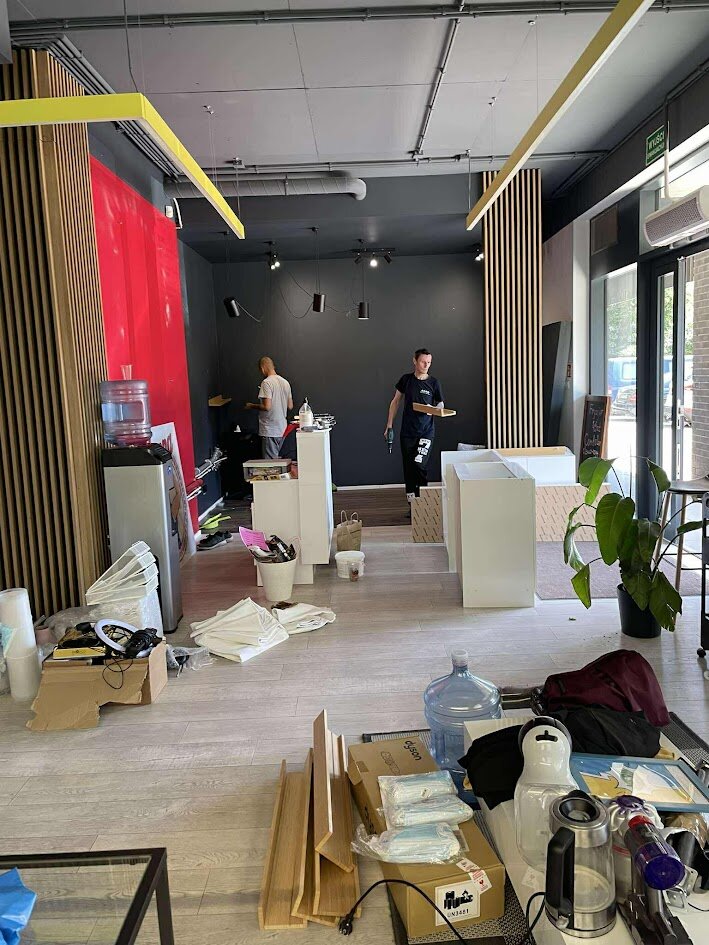
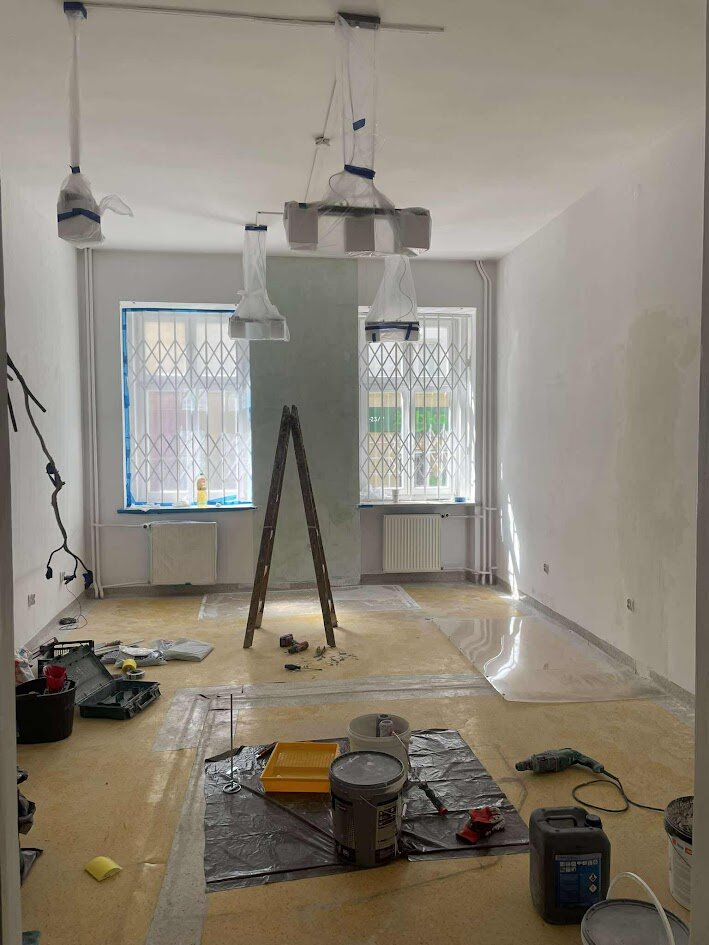
In July, a new project site Harna was opened in Warsaw. This strategic move is expected to reduce operating costs by 30%, increase client reach, and enable users to manage the space independently, promoting ownership and sustainability.
Inspiring Stories
During the monitoring visit, four success stories were documented, two from Łomianki and two from Ursus. These stories tell of young mothers who have reached a higher level of resilience. Not only do they work and support their families, but they also tutor refugees by sharing their skills. These inspiring journeys can be seen on the CADIS YouTube channel.
Recommendations for Future Phases
Based on observations from the monitoring visit, the following recommendations have been proposed to guide the future development of the project:
- Conduct a needs assessment and evaluation in preparation for the next phase of the project.
- Address the issue of limited access to psychological services by organizing psychosocial activities and training local facilitators.
- Ensure the sustainability of the Harna site.
- Transform the temporary shelter in Łomianki into a permanent facility.
- Improve the digital literacy of young adults to enhance their access to opportunities.