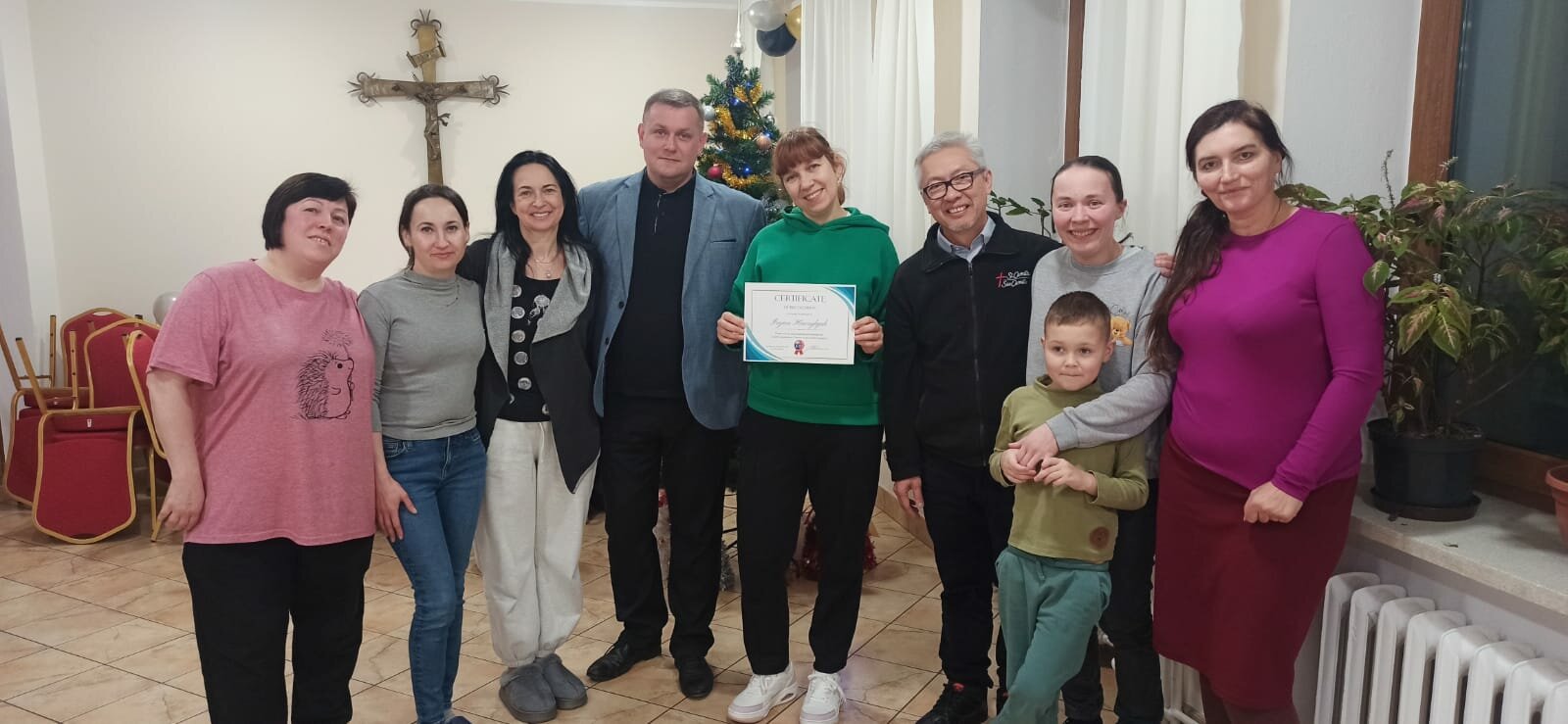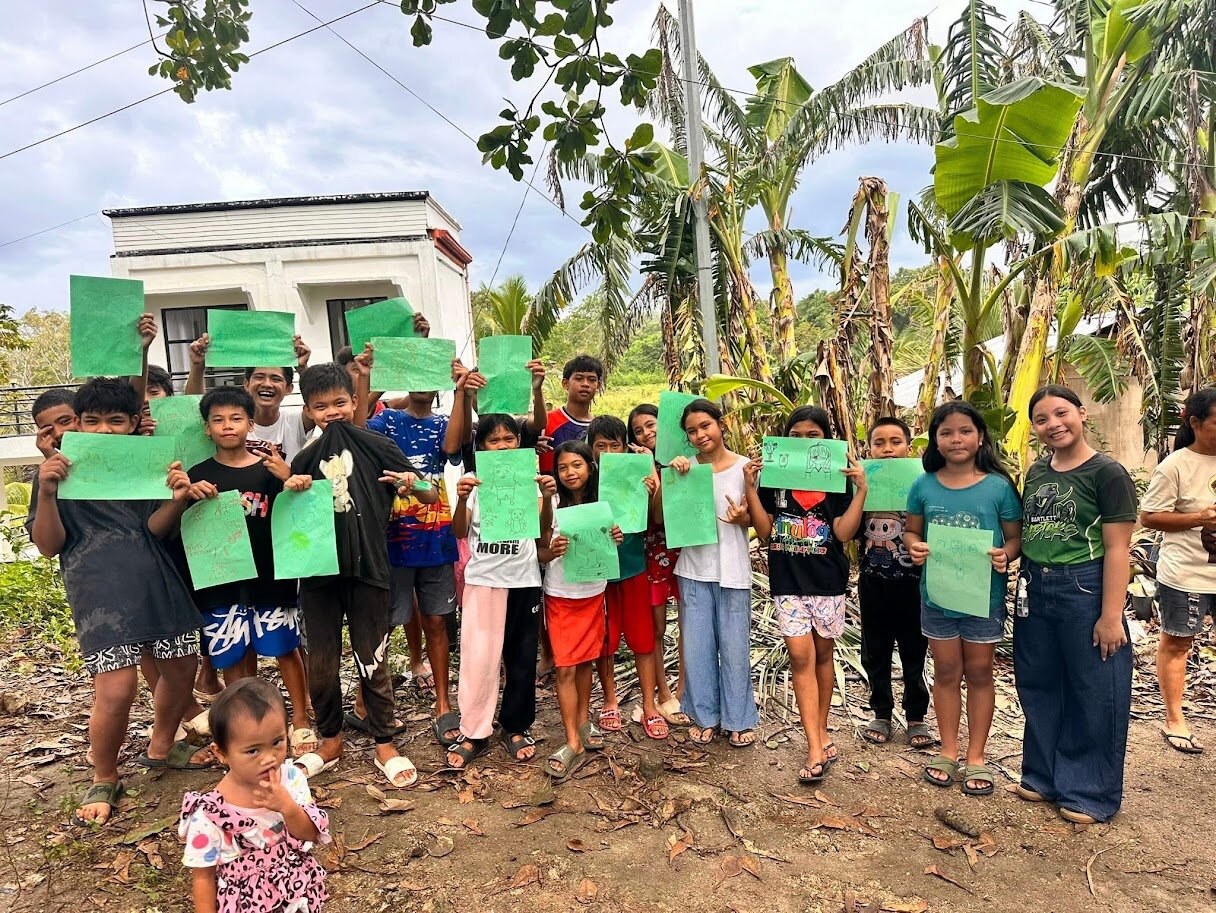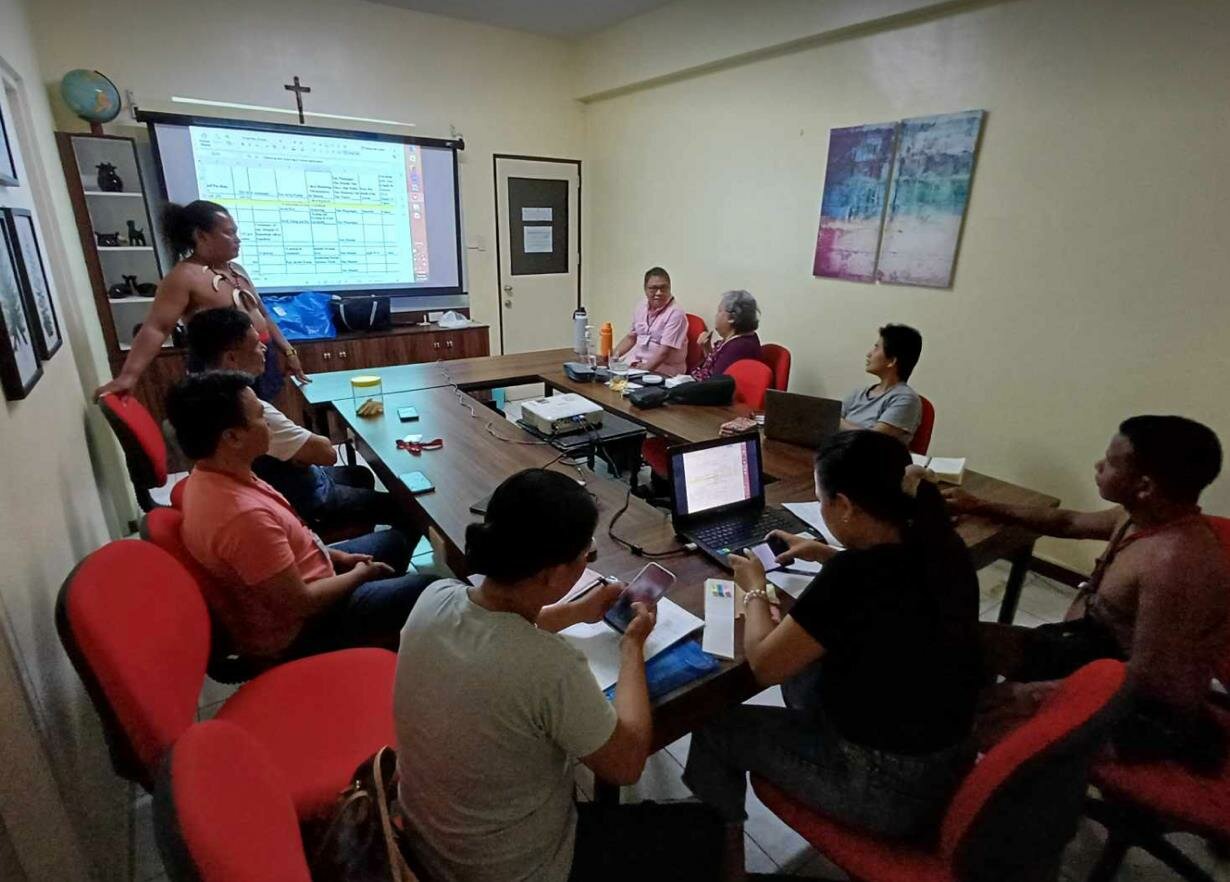
In 2018, CADIS collaborated with the Health and Development For All Foundation (HADFAFI), a local non-governmental organization in Tarlac (Philippines) founded by lay Catholic health workers and development professionals, to combat poverty and food insecurity in the indigenous Aeta tribal communities of Capas (Tarlac). A key to a lasting solution to the problem is the capacity building of the Aeta, particularly among the youth, the future leaders of their communities.
Towards the second quarter of 2025, Aeta leaders embarked on a journey called “Lakbay Aral” (study trip) to Quezon, the eighth largest province in the Philippines, located southeast of Manila. Quezon is also home to several indigenous communities, such as the Dumagat, the Agta, and others. Lakbay Aral is part of the cultural education and exchange of good cultural practices program. It is an opportunity for the Aeta to learn indigenous but scientifically valid cultivation methods, which respect the future of individuals, communities, and the environment. They also shared their common agricultural practices, which are environmentally friendly.
They also learned about forest care and protection. Although many of them practice “kaingin” (slash-and-burn agriculture), they learned that “kaingin” is a healthy practice, as long as it is systematic and guided by rules. No one should practice agriculture along natural reserve areas, such as watersheds and virgin forests, where endemic trees grow and are preserved. To avoid soil degradation due to intensive agriculture and poor land management, farmers rotate their farms annually, allowing the cultivated land to rest and recover its nutrients. Most of them are engaged in community farming; therefore, it was easy for them to properly manage the lands to be cultivated.
In addition to sharing agricultural systems and methods, they also shared parenting practices and the value of the parent-child relationship. Family and community are essential aspects of their lives. This system defeats individualism, abuse, and exploitation of God-given resources. They are convinced that “we are all transients in this world and we have the duty to protect it as stewards and not as owners.”
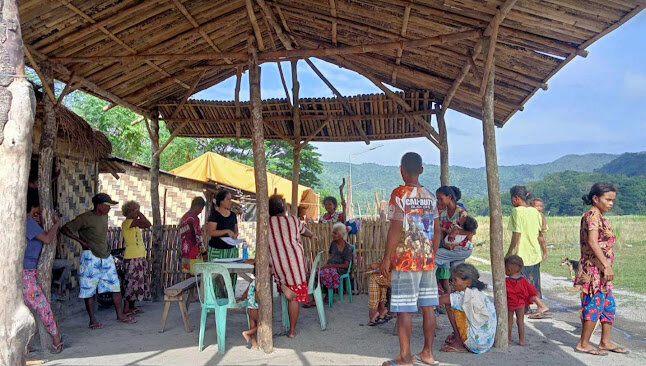
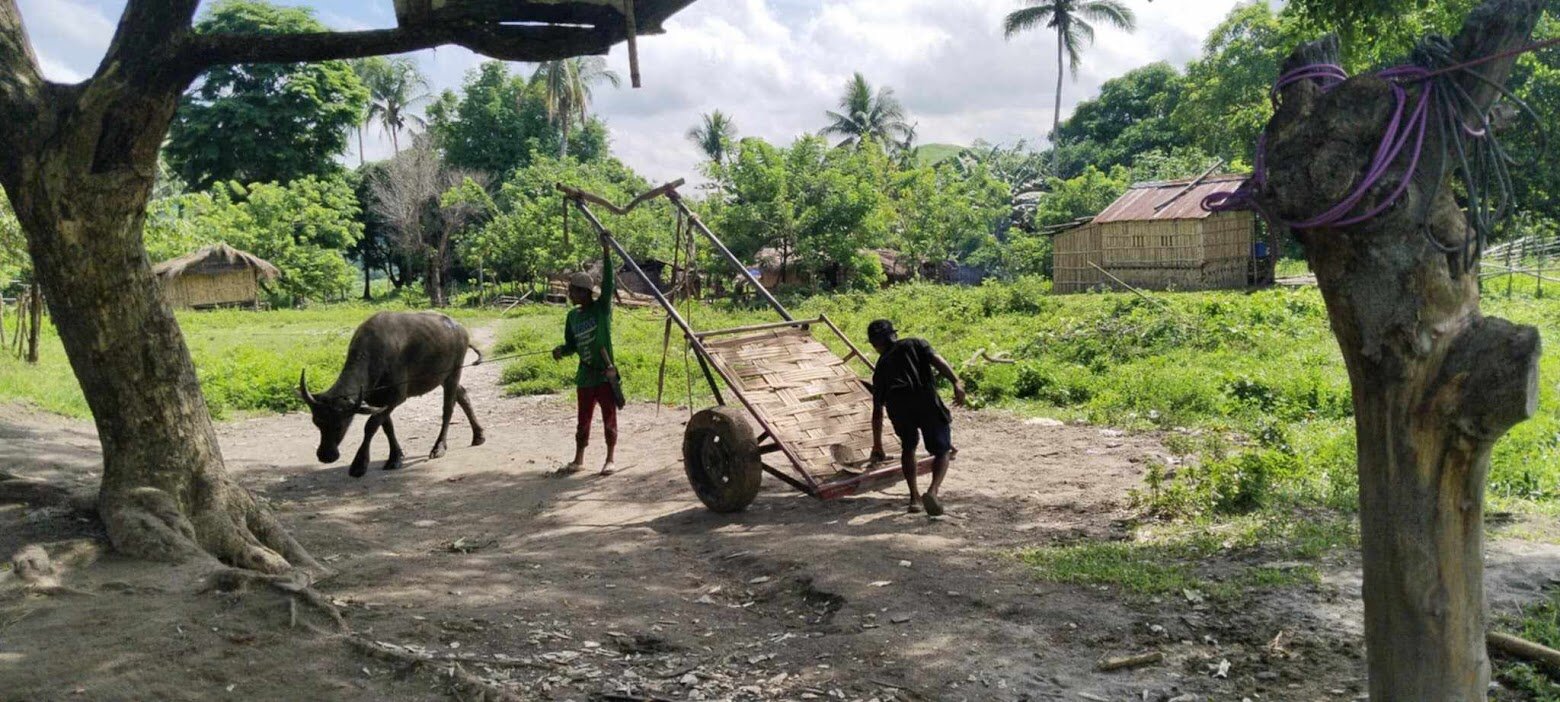
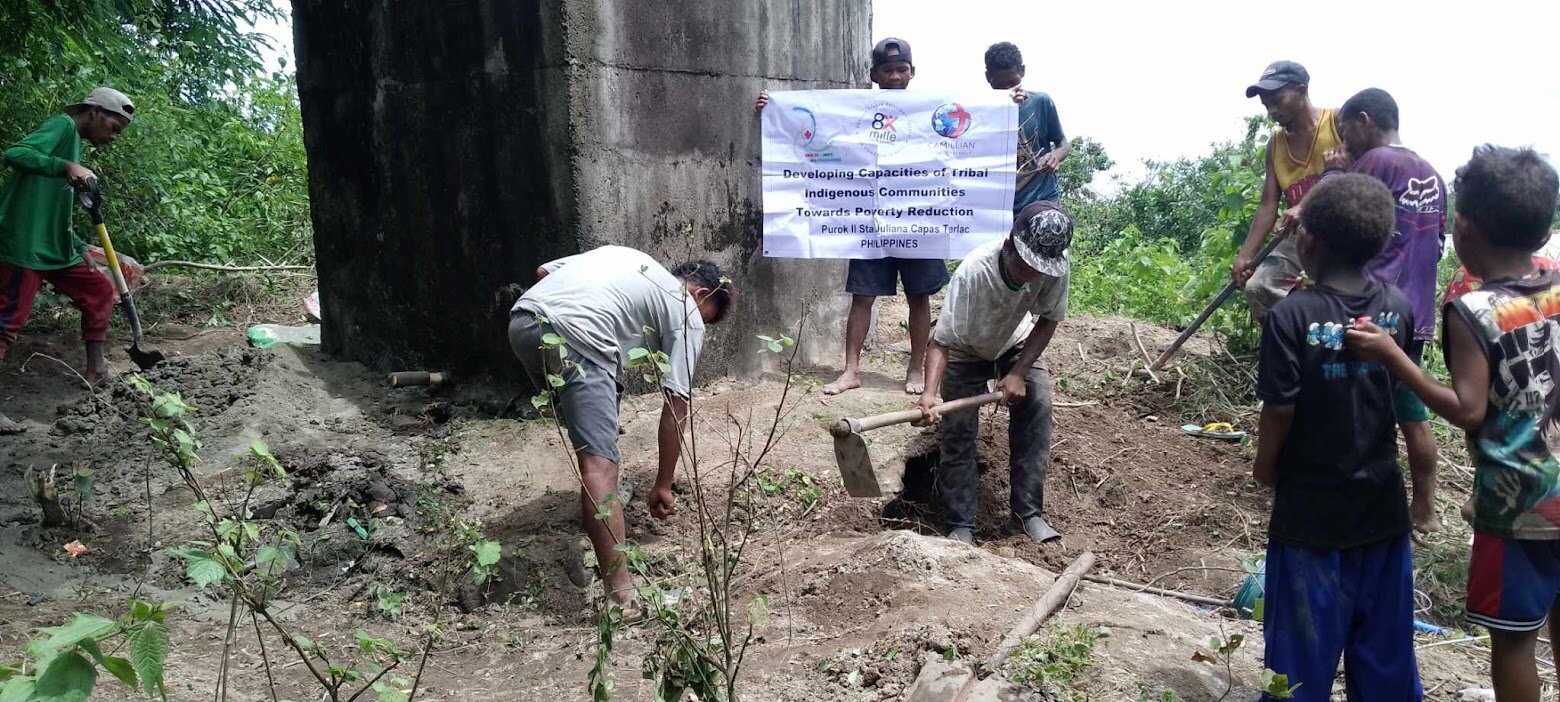
Another component of the project is to provide access to water for personal, community, and agricultural use. In the village of Pisapungan, a water collection system was built. It took some time to make it operational due to technical problems. To date, the mini-dam irrigates a 14-hectare farm in the village. The farm practices crop rotation, such as sweet potatoes, corn, rice, and vegetables. Farmers were provided with means of production (training, tools, seeds, and supplies) to support their efforts in agriculture. In the communities of Malabatay, Manalal, and Duray, deep wells and rehabilitation of water tanks were also carried out. In this way, the community has access to safe and potable water. Many of the diseases in these communities are waterborne; in this way, future diseases can be prevented and mortality reduced.
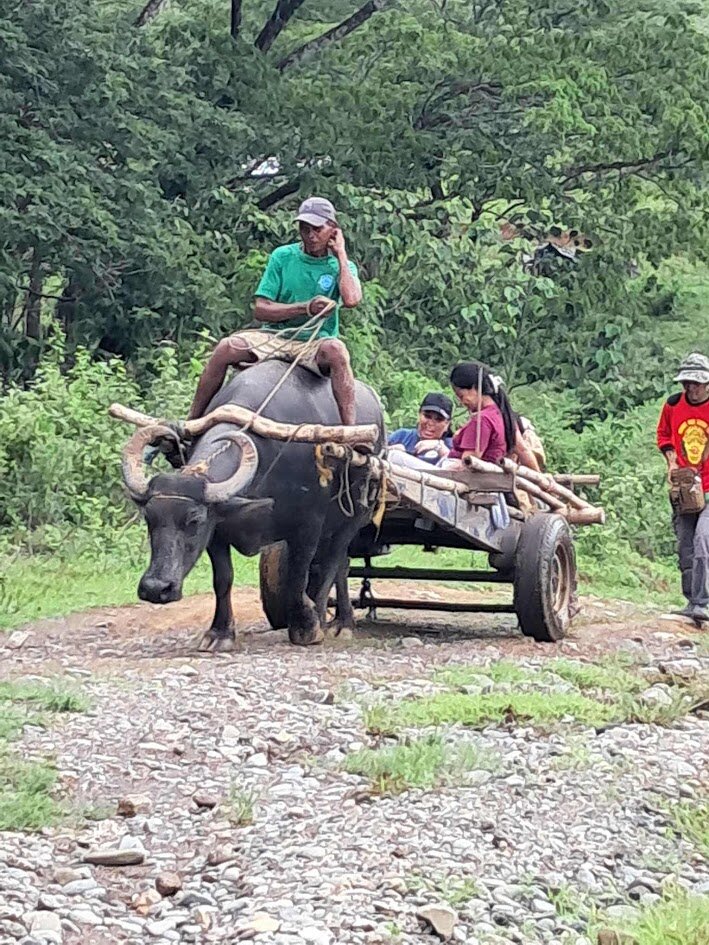
In addition to access to water, the communities are also offered a livelihood program. In Tambo, another village, young fishermen received boats and fishing nets. Tambo is located along the river, rich in fish such as tilapia and others. Fishermen engage in fishing both for livelihood and for family consumption. At the same time, they are also engaged in agriculture and land cultivation. However, this community does not have enough land to cultivate, as it is located between areas reserved for the military.
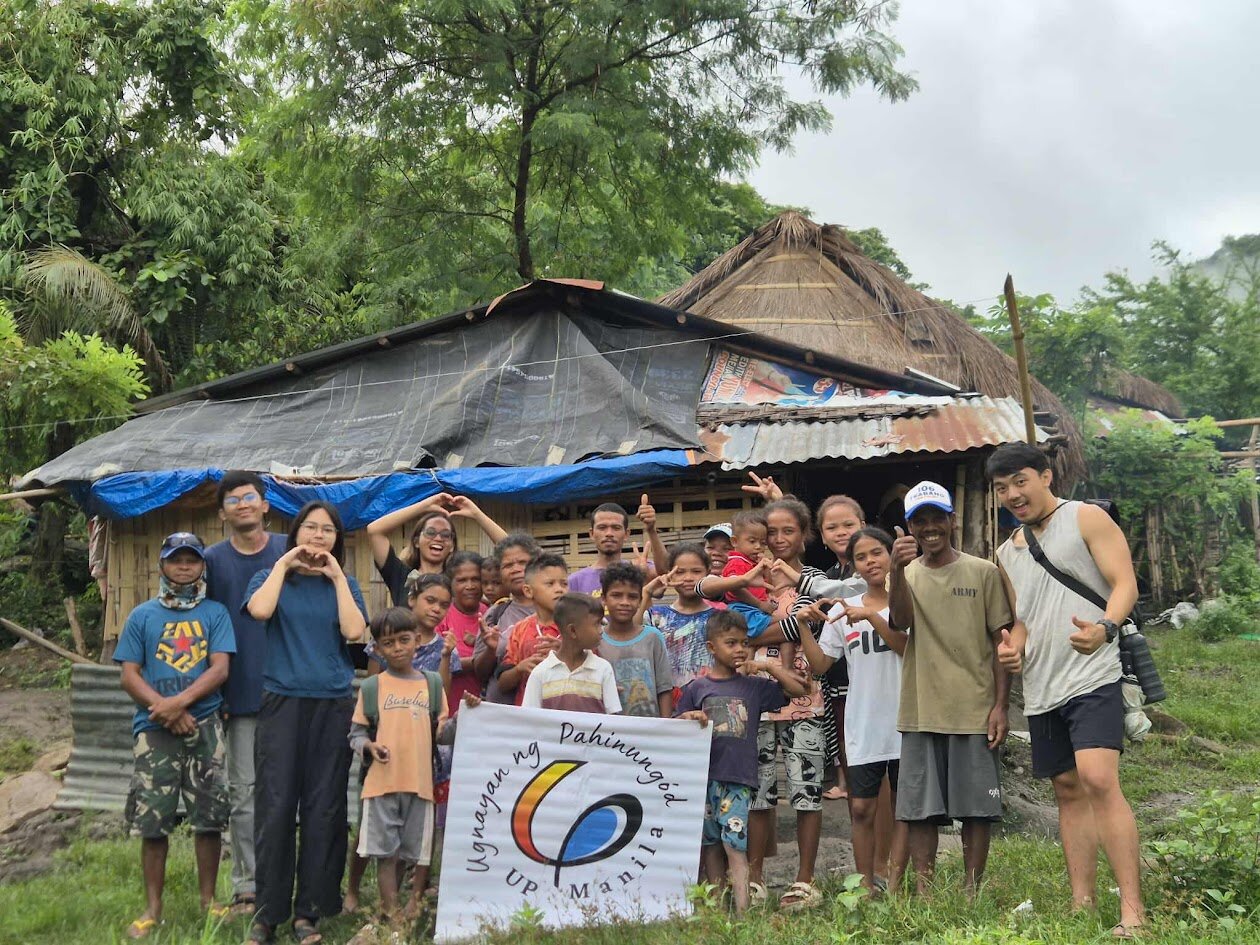
Rural poverty, being multidimensional, is a complex development challenge that requires an integrated intervention. The project aims to address the situation through the development of health and agricultural enterprises, serving as a basis for addressing the structural causes of poverty and marginalization among the indigenous Aeta communities, a long-term commitment. The process must be initiated to support these indigenous populations in the long term, leading to fullness of life in resilient communities.
The Aeta tribes are excluded, in one way or another, from the development circuit, instead remaining trapped in the vicious circle of geographic and cultural isolation, lack of land, mass poverty, and severe lack of access to and denial of basic needs: food and nutrition, safe water supply, health and healthcare, sanitation, housing, clothing, energy, and education.
Poverty is not just income poverty, but is rather multifaceted. This project believes that poverty is often a poverty of capabilities (cf. Amartya Sen). Lifting families and communities mired in extreme poverty means building their intrinsic capabilities. This project, therefore, is based on the principle of people-centered development. For this reason, the participation of stakeholders at the local level is essential from the beginning of the project, through to program implementation, monitoring, and evaluation.
Thanks to consistent cultural education, the building and strengthening of their know-how, and the empowerment of their leadership with skills and legal support, the Aeta will be able to transform and develop their communities on par with the lowlands. In this way, we can break the cycle of poverty and underdevelopment.