


On Tuesday, 3 March 2026 at 1:30pm, we will meet online to discover the most significant interventions of CADIS' first ten years through the voices of the authors themselves who have lived the humanitarian experiences on the ground.
For ten years, Camillian Disaster Service International (CADIS) has journeyed to the frontlines of human suffering — where disasters strike, where lives are disrupted, and where hope struggles to endure.
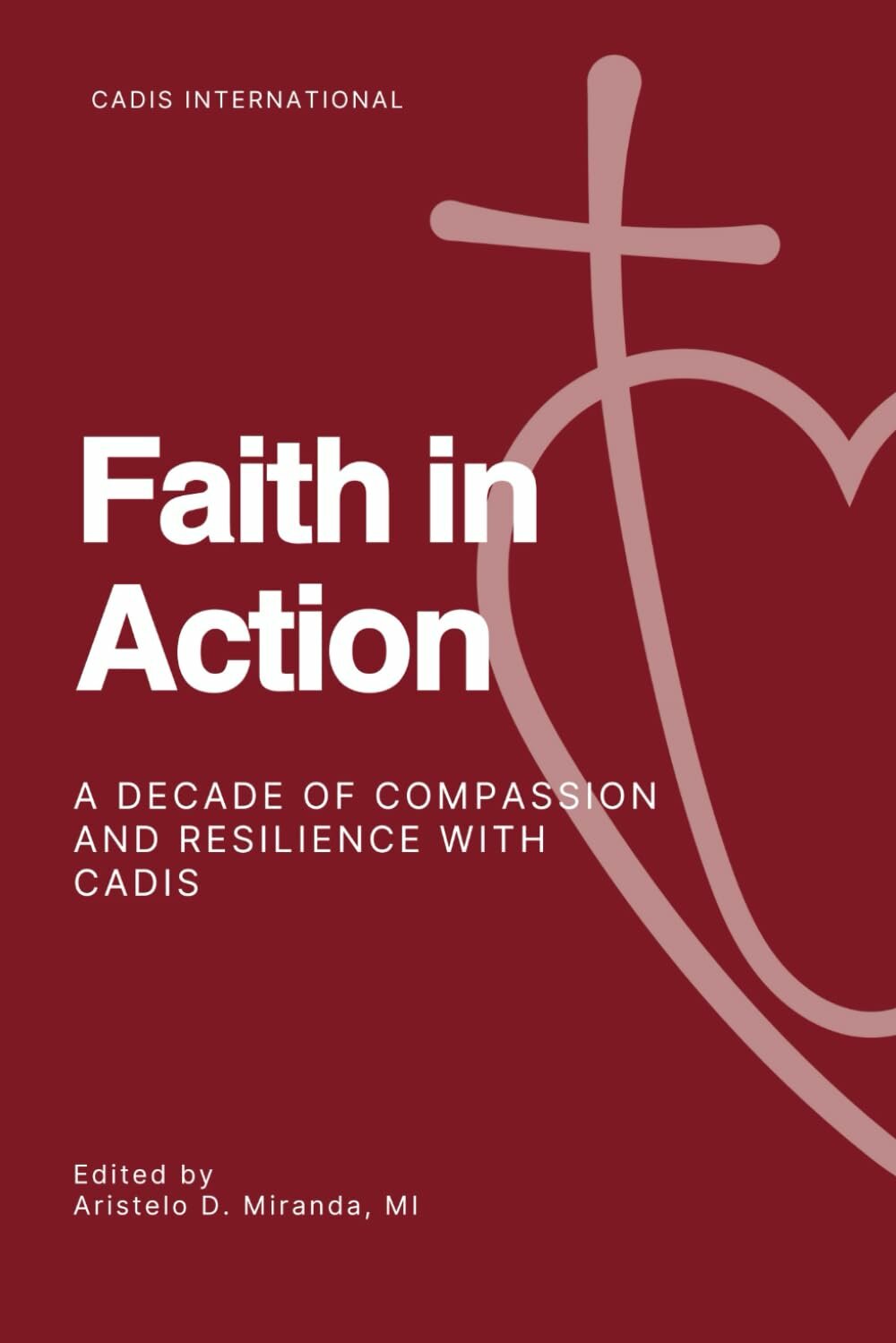
Faith in Action: A Decade of Compassion and Resilience with CADIS, brings together the reflections and lived experiences of CADIS members and partners who have served in some of the most challenging humanitarian contexts of our time — from the earthquakes of Nepal to the typhoons of the Philippines, the Ebola crisis in Sierra Leone, the pandemic in India, the floods of Kenya and Tanzania, and the refugee crisis in Poland. Through these eight chapters, readers encounter a model of Integral Human Care that integrates medical assistance, psychosocial support, livelihood restoration, and spiritual accompaniment.
The book is available in English on Amazon in print and ebook format. Order or give a copy here: https://amzn.eu/d/06nrgZug
The webinar is open to all friends and supporters of CADIS and those who would like to learn more about the humanitarian work we do around the world in support of the most vulnerable people affected by natural and other disasters.
Rooted in the values of compassion, commitment, competence, and community, this book celebrates not only a decade of humanitarian service but a spiritual journey — one that transforms charity into empowerment and disaster response into enduring resilience.
Faith in Action: A Decade of Compassion and Resilience with CADIS stands as both testimony and invitation: to see humanitarian work not merely as aid, but as accompaniment; not as relief alone, but as the rebuilding of dignity, faith, and hope.
Participate, share and support CADIS International Foundation. Your support is a concrete help for our beneficiaries around the world.
PARTICIPATE IN THE WEBINAR ON ZOOM:
Topic: CADIS presents "Faith in Action"
Time: 3 Mar 2026 13:15 Amsterdam, Berlin, Rome, Stockholm, Vienna
Join the meeting in Zoom
https://us06web.zoom.us/j/84992333491?pwd=TVgqtkWPcG9EbnLMCSz9TvB3S8zzqz.1
Meeting ID: 849 9233 3491
Access code: 926870
Instructions for participation
.png "book-webinar-(1).png")
.png "EVENTO: MusiCamilliana, il concerto dei religiosi camilliani")