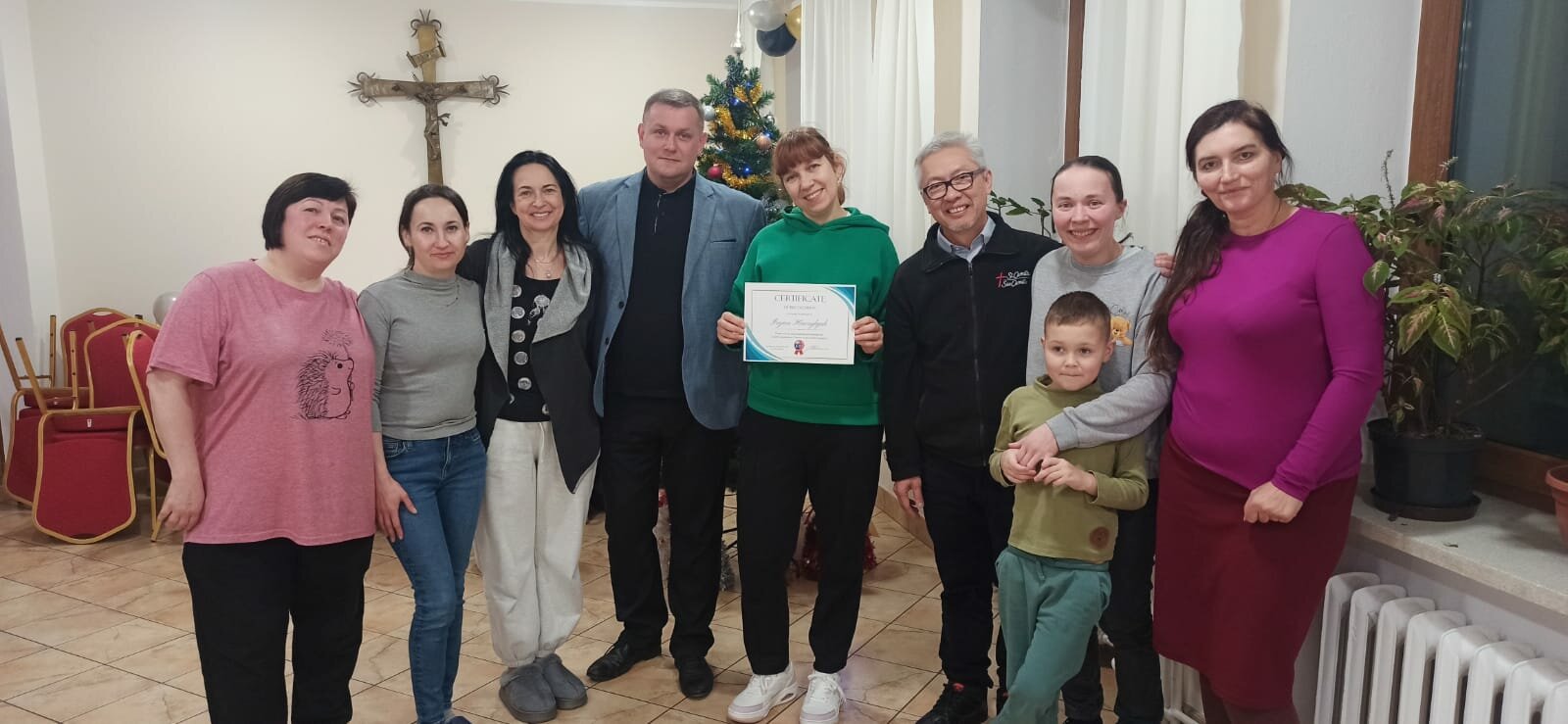
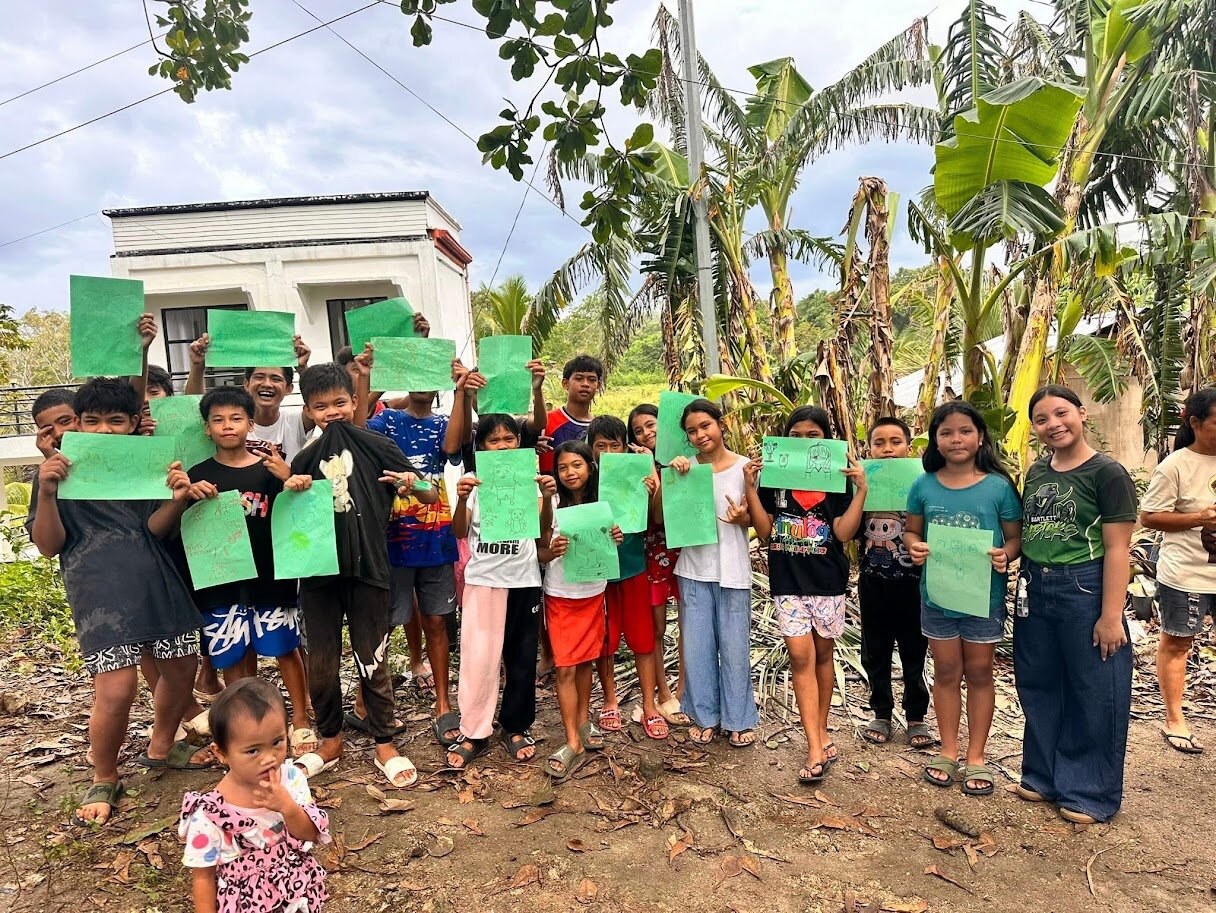
Twenty-two (22) participants from India, Taiwan, Australia, the Philippines, Thailand, Italy, and the United States gathered in Cebu City, Philippines, for the conference organized by CADIS International on resource mobilization in the Asia-Pacific region.
During the first day, the program was presented, followed by a session on “The Power of Resilience: Personal and Community Strategies” led by the Director of CADIS International, Fr. Aris Miranda, MI. From a review of the most recent 2023 studies conducted by EM-DAT (Emergency Events Database), the area of the world most affected by natural disasters is Asia and the Philippines ranks first among the 15 countries in the world at highest risk of natural and other disasters.
Due to globalization and worldwide interconnectedness, crises that begin in one country or region can spread to other regions of the world. On an individual level, multiple crises can not only put livelihoods and future opportunities at risk, but also have a significant impact on (mental) health. During the coronavirus pandemic, for example, psychosocial and economic stress increased worldwide. Hence the importance of disaster preparedness, both for the government and the population. For this reason, CADIS International believes that “if the poor and disaster-vulnerable communities that CADIS assists are transformed into empowered and resilient communities, then the development of these communities will occur”. (Theory of Change)

To get into the spirit of the conference, during the second session the Visayas Primary Healthcare Services (VPHCS) organization, CADIS’s partner in the Philippines for the project “Promoting Disaster-Resilient Communities in Cebu” invited some beneficiaries of the women’s empowerment program. The women shared their experiences of precariousness and insecurity which, thanks to the ongoing project, have been alleviated through the formation of community groups led by the women themselves. This was a new awareness for them, as they understood the importance of cooperation in the community and increased their skills, despite economic and social difficulties and precariousness.


What CADIS and VPHCS are trying to do is create awareness and strengthen the capacities of individuals, and not simply provide financial aid to needy communities, to avoid dependency and not self-sufficiency.
In the afternoon session, the various CADIS Thailand, CADIS Australia, CADIS Taiwan, CTF India, and CTF Philippines shared their best practices in resource mobilization and the activities completed and ongoing.
At the end of the day, an interesting contribution from the United States who shared the new frontiers of fundraising. The competition for the creation of the logo, anthem, and prayer for the 10th anniversary of CADIS International was also officially presented. (the guidelines HERE).