The project "Capacity Development of Indigenous Tribal Communities for Poverty Reduction in Tarlac, Philippines" aims to address poverty and marginalization of the Aeta by focusing on health and agricultural enterprise development. CADIS International and its local partner Health Development Foundation (HADFAFI) share the vision of strengthening the resilience of these indigenous communities.
The project plans and implements various programs that improve the socio-economic status of the Aeta.

1. Most tribal families have better access to necessary health services.
In 2024, the HADFAFI medical team conducted medical missions in the communities of Santa Juliana, in collaboration with the Philippine Dermatological Society of Central Luzon and the local government unit (LGU) of Capas. The program assisted a total of 279 adults and 93 children, for a total of 335 people. Nearly 5,000 units of medicines (common and antibiotics) were distributed free of charge to patients. In addition to medicines, 135 hygiene trays were distributed to the recipient communities. Health services are HADFAFI's main strength and reflect its primary mandate throughout its years of operation. The health conditions of Aeta and non-Aeta communities, both in the mountains and in the lowlands, are the main focus of many of its projects.
2. Aeta families produce climate-resilient crops, in addition to harvesting banana flowers.
One of the main challenges of the Sitio Pisapungan community is access to water for irrigation. A water catchment basin (mini-dam) was built to irrigate the community's farms. 1128 banana trees, citrus fruits, dwarf coconuts, and hundreds of endemic trees were planted. However, recent storms and subsequent drought destroyed 298 trees. Some Aeta communities, located in mountainous areas, used the remaining trees to supplement their root crop cultivation.


3. Aeta farmers' products purchased at fair and supportive prices.
In collaboration with the Center for Trade and Development Training, financial literacy training was conducted for 22 youth and 33 parents. Production of vegetable noodles continued, averaging 55 packs per day. The vegetable noodles are sold at Caritas' SAKLAY CAFE. Part of the proceeds is used to support Caritas programs for people with disabilities and students.
4. Aeta farmers have adequate know-how, as well as agricultural tools and means of production.
Eighty-seven (87) farming families received agricultural tools. Some families received 28 water buffaloes (carabao). These animals are used to plow the fields instead of tractors. Any offspring of the carabao are distributed to other families who do not have them.
5. Aeta farmers have access to low-cost financing for agricultural production.
Sixty (60) goats were distributed to six Aeta communities. As of 2024, the goat livelihood program is still being monitored. Additional goats were also distributed to communities with excellent livestock management results. 148 ducks were also distributed to communities to be raised and sold. The animal distribution program has helped increase family income.
In the lowlands, they created a demonstration farm for advanced agricultural development in Sta. Juliana. High-yield vegetables (eggplants, chili peppers, sweet potatoes) were planted. By showcasing successful farming practices, the demonstration farm inspires and encourages community members to engage in agricultural activities. In addition, it facilitates market access for their products.


6. The Aeta value their culture and lifestyle in settlement communities.
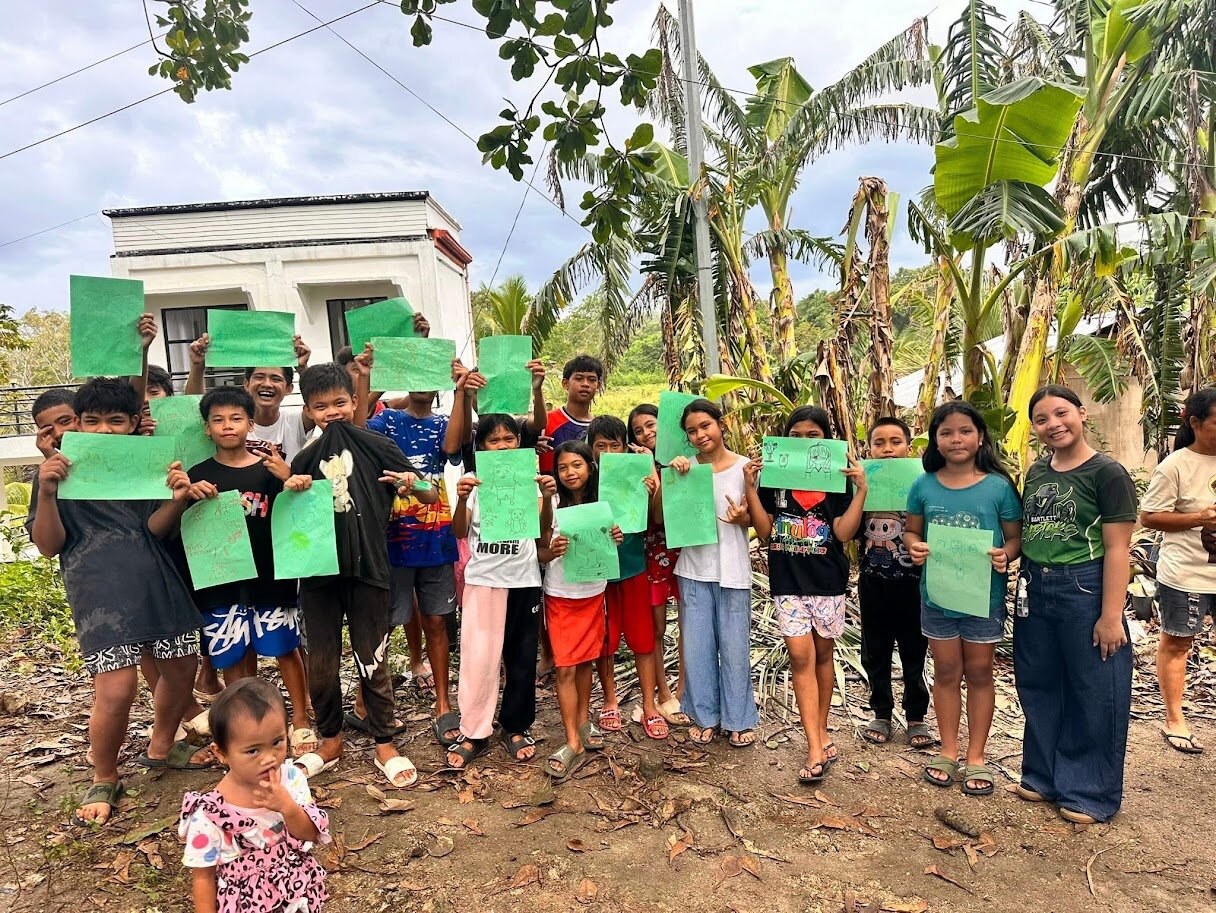
Leadership training was conducted for 25 young participants, so they could actively engage in community development and the defense of their ancestral domain rights, as provided by the Philippine Constitution. They presented Aeta traditions, focusing on traditional clothing, rituals, and cultural education. This encouraged young people to overcome shyness and become confident leaders, preparing them for future life.
Young Aeta leaders assisted the elders' dialogue with the mayor to inquire about the response to previously approved resolutions.
7. Capacity development for the delineation, survey, and titling of ancestral domain at the community level.
In order to obtain support for the technical delineation of the ancestral domain, the TUA group (Traditional Upland Association) discussed the petition for the request of the Certificate of Ancestral Domain Title (CADT). Representatives from 12 sitios signed the petition to be included and accepted as TUA members. To obtain the CADT, the community must gather evidence of their ancestral domain. This may include collecting old photos, cemetery records, historical accounts, and testimonies to prove their long-standing presence in the territory. This remains a challenge for their communities.


In 2025, it is planned to further improve and develop the Santa Juliana demonstration farm. The demonstration farm shows the feasibility of agriculture in the Aeta community area. By showcasing successful farming practices, the demonstration farm aims to inspire and encourage community members to engage in agricultural activities. It serves as a practical example of how agriculture can contribute to food security, generate income, and improve the overall well-being of the community. In addition, it facilitates market access and product distribution.
The third year saw Hadfafi Health Services demonstrate exceptional strength and consistency, effectively responding to the needs of Aeta and non-Aeta communities. The partnership with LAKAS PAMAYANAN, a pioneering Aeta community in Zambales, marks a significant milestone. This community has made great strides, producing leaders and professionals and achieving legislative representation. Their achievements, including obtaining the Certificate of Ancestral Domain Title (CADT), are a beacon of hope, especially for the youth of Aeta and Sta. Julians Capas, residents of Tarlac, who aim to obtain future CADT certification.