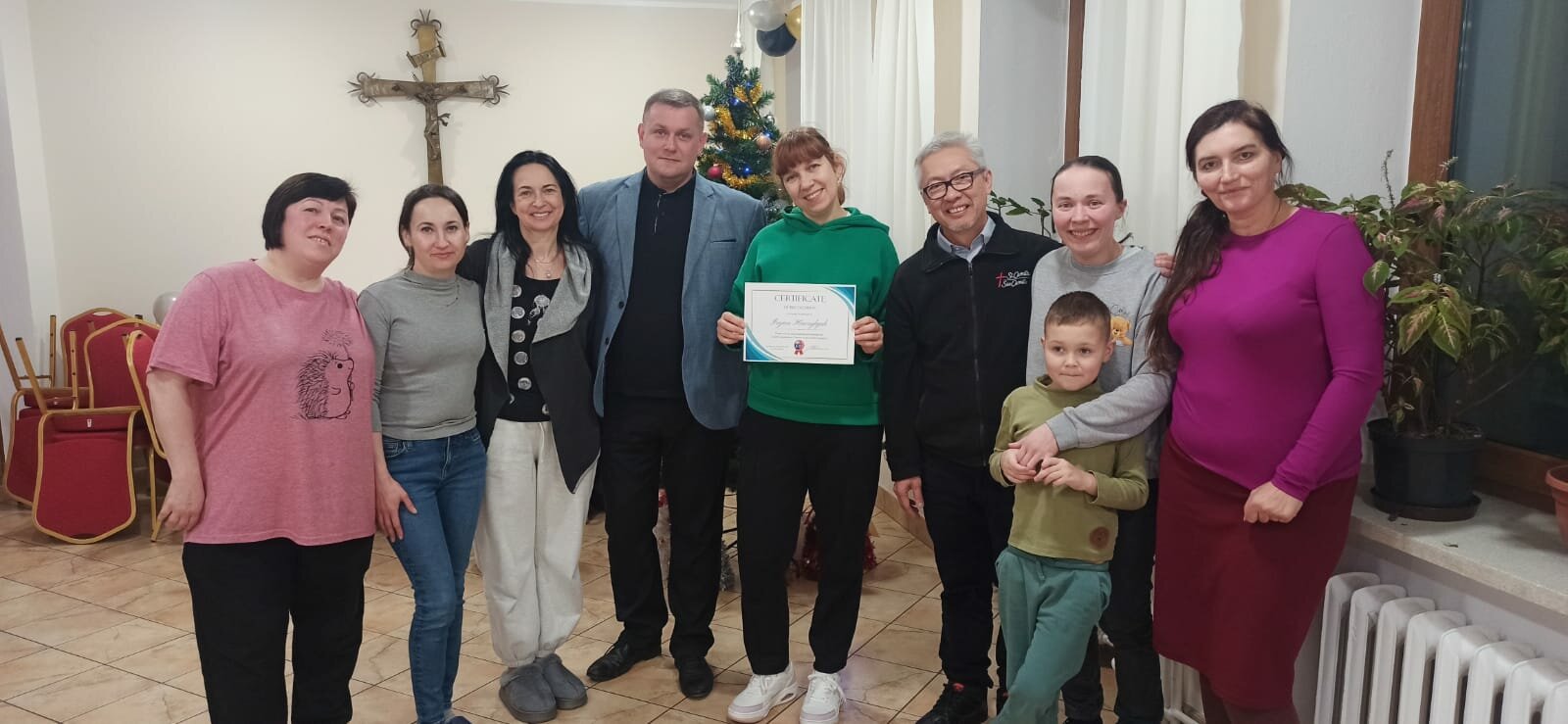
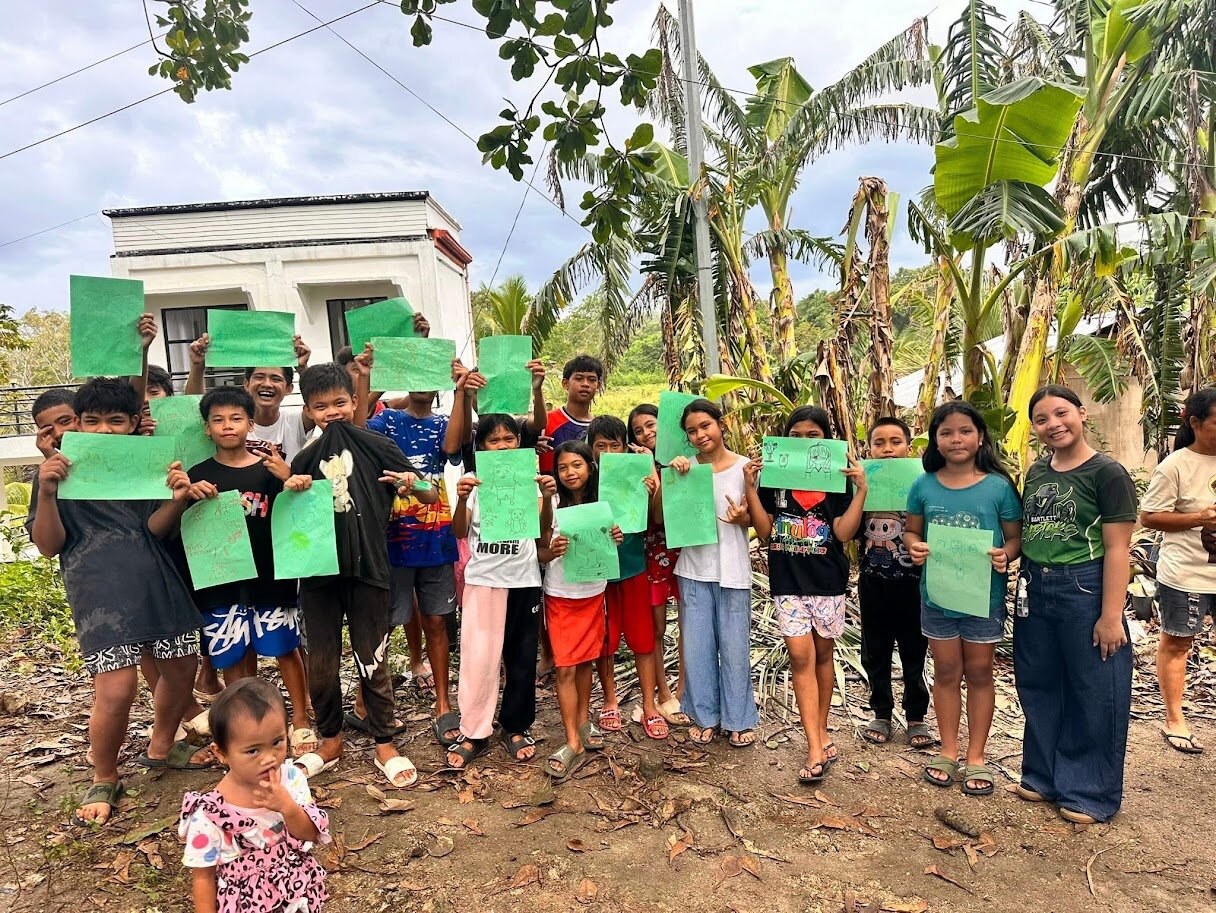
The fifth day, the last of the CADIS Leadership Conference, focused on mobilizing resources for humanitarian and development interventions. Usha Menon, an expert in leadership, strategy, management, fundraising, and philanthropy in the non-profit sector, led the session. In the previous months, we organized three online webinars on the role of volunteers, the principles of fundraising, and donor management.
Usha reviewed the highlights of the webinars and then gave the floor to the participants, who had the opportunity to share their experiences, good practices, and concerns regarding the fundraising process in different countries. Some insights revealed that, despite the areas of interest of each country, the challenges and opportunities are similar.
During the workshop, the priorities of each country and the possibilities of involving new supporters in the CADIS world were analyzed. Each reality has its own context to consider, as well as different needs and opportunities. The challenge is to plan a tailor-made strategic plan in the right way.
Being spread all over the world in many Camillian communities, CADIS has a high potential to implement volunteer activities, humanitarian programs, and create a global community.
At the end of the workshop, each participant had the opportunity to share their reflections at the conclusion of the conference's work.

Thus ended the ninth CADIS Leadership Conference, which provided many points for reflection and many collaborative projects, especially in view of the tenth anniversary of CADIS International, which will be celebrated on December 1, 2025, the exact day of its foundation.
In view of this important milestone, during the Bangkok conference a working group was set up to plan activities for the celebration of CADIS's tenth year.
The 40 participants, from 18 countries, returned home with an important commitment: to carry forward the mission of CADIS, looking to a future that risks being increasingly threatened by the consequences of climate change, but with the certainty that together we can make a difference and that the commitment to the most vulnerable communities remains stronger than any obstacle.
It was also an opportunity to get to know each other, share experiences, and raise awareness of the different socio-cultural realities with which we collaborate. We feel closer to each other despite the geographical distances and build a team. Thanks to convivial moments such as the final evening of typical dances and songs or the tour to discover characteristic corners of the city of Bangkok.